
Blog de Varianza Capital: Asesoría financiera, valoración y compraventa de empresas
Bienvenido al blog de Varianza Capital, donde compartimos análisis financieros, experiencias reales en la compraventa de empresas, estrategias de valoración y contenidos de asesoría especializada para empresarios e inversionistas en Colombia y Latinoamérica.
Lignes de paiement et programmes VIP pour joueurs français : mode d’emploi
Look, voici la chose : si vous jouez depuis la France et que vous cherchez à comprendre comment fonctionnent les lignes de paiement et les programmes VIP, cet article vous donne des réponses pratiques sans blabla inutile. On va décortiquer les méthodes de...
Risk Analysis Strategy for High Rollers in the UK
Look, here's the thing: if you’re a UK high roller—someone who stakes serious pounds rather than a tenner for a quick flutter—you need a plan that treats gambling like risk capital, not spare change. This short guide gives practical maths, UK-specific payment and...
Casinos Without Verification in Canada: Mobile Browser vs App — what Canadian players need to know
Hey — quick hello from a fellow Canuck. If you’re wondering whether to jump on a no‑KYC casino via your mobile browser or install an APK/app, you’re in the right spot. This short guide gives practical checks, payment realities in C$ terms, and the real trade‑offs for...
Deposit Limits & Streaming Casino Content: An Australian Mobile Player’s Guide to Uuspin
As an intermediate-level guide for mobile punters, this piece explains how deposit limits work and how streaming casino content intersects with play on uuspin — framed for Australian players who mostly access offshore sites from phones or tablets. There are limited...
Poker-Turnier Tipps für Highroller in Deutschland — Klartext und Praxis
Schau mal, ich spiel seit Jahren Poker-Turniere online und live in Berlin und München; hier geht es um echte Highroller-Strategien, nicht um Anfängertricks. In diesem Text bekommst du konkrete Taktiken, Bankroll-Beispiele in €, Tools zur Gamification-Nutzung und...
Quantum Roulette & Casino House Edge: Insider Tips for High Rollers in Canada
Quantum Roulette is one of the high-volatility table toys that attracts high rollers looking for bigger multipliers than standard European roulette. The game pairs a traditional roulette wheel with randomly triggered multipliers on specific numbers or sections. For...
Blockchain in Casinos and Top 10 Casino Streamers — A UK High-Roller Risk Analysis
Look, here's the thing: as a British punter who’s moved from the high street bookie to offshore crypto rails, I’ve seen how blockchain changes the game — literally and financially. Not gonna lie, I prefer the speed of crypto withdrawals, but Real talk: those hidden FX...
Líneas de pago explicadas para jugadores en Chile: guía práctica en CL
Líneas de pago explicadas para jugadores en Chile Hola: si eres jugador chileno y te preguntas por qué unas tragamonedas pagan más que otras, estás en el lugar correcto; aquí te explico, al tiro y sin vueltas, cómo funcionan las líneas de pago y qué importa cuando...
Rugby Top 14 Paris : maîtriser les symboles Wild et Scatter pour les joueurs français
Look, here's the thing — si vous suivez le Top 14 à Paris ou ailleurs dans l'Hexagone et que vous kiffez aussi les machines à sous à thème rugby, il faut savoir lire les symboles Wild et Scatter avant de commencer à miser vos 10 €, 50 € ou 100 €. Je vais vous...
Gamification in Gambling for Canadian Crypto Users — blaze casino app futures
Look, here's the thing: if you play with crypto in Canada you already know the thrill is part tech, part psychology, and part timing, so this piece cuts straight to the parts that matter for Canadian players from the 6ix to the West Coast. In the next few minutes...
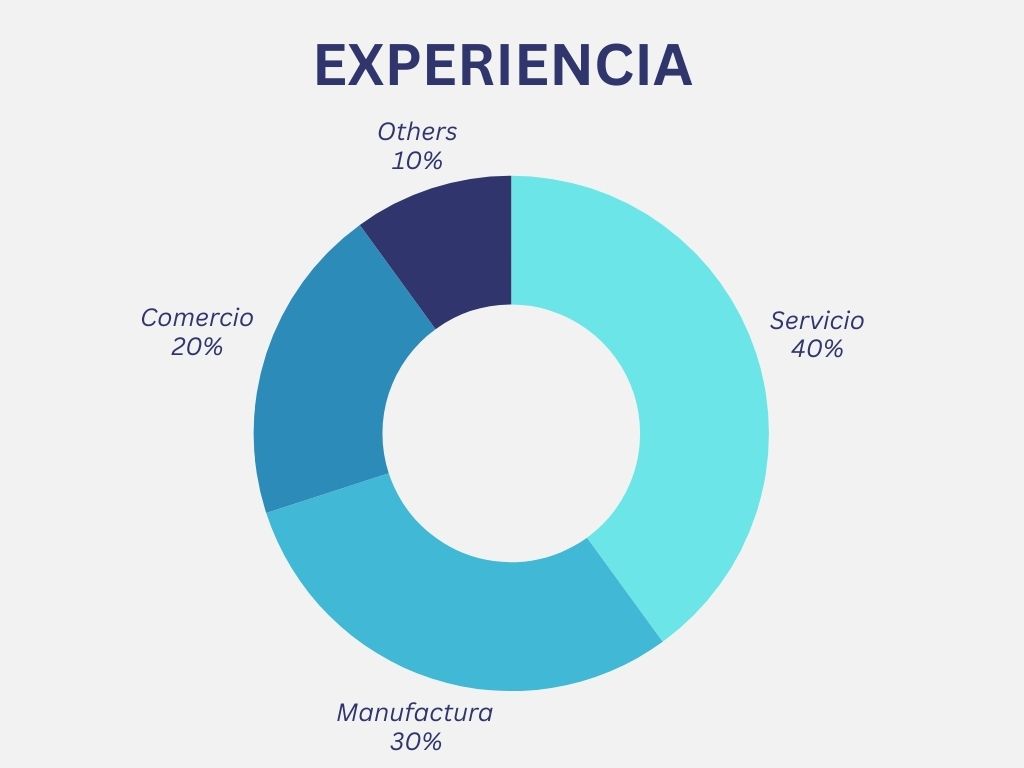
Valoración y venta de empresas
A veces valen más que los activos físicos. Si una marca es fuerte y genera confianza, o si los clientes vuelven una y otra vez, eso sube el valor. Se mide con métodos como el Goodwill o viendo cuánto influye en los ingresos.
Lignes de paiement et programmes VIP pour joueurs français : mode d’emploi
Risk Analysis Strategy for High Rollers in the UK
Casinos Without Verification in Canada: Mobile Browser vs App — what Canadian players need to know
Deposit Limits & Streaming Casino Content: An Australian Mobile Player’s Guide to Uuspin
Poker-Turnier Tipps für Highroller in Deutschland — Klartext und Praxis
Quantum Roulette & Casino House Edge: Insider Tips for High Rollers in Canada
Blockchain in Casinos and Top 10 Casino Streamers — A UK High-Roller Risk Analysis
Líneas de pago explicadas para jugadores en Chile: guía práctica en CL
Rugby Top 14 Paris : maîtriser les symboles Wild et Scatter pour les joueurs français
Gamification in Gambling for Canadian Crypto Users — blaze casino app futures
Lignes de paiement et programmes VIP pour joueurs français : mode d’emploi
Look, voici la chose : si vous jouez depuis la France et que vous cherchez à comprendre comment fonctionnent les lignes de paiement et les programmes VIP, cet article vous donne des réponses pratiques sans blabla inutile. On va décortiquer les méthodes de dépôt/retrait (CB, PayPal, Paysafecard, Apple Pay, crypto), expliquer comment lire une ligne de paiement et détailler ce que valent vraiment les offres VIP pour les joueurs français. La suite vous montrera aussi les erreurs classiques à éviter pour protéger votre thune.
Pour être clair dès le départ : en France, l’Autorité Nationale des Jeux (ANJ) réglemente strictement les offres de paris et le poker, et les jeux de casino en ligne restent largement dans le « grey market ». Donc, si vous utilisez des sites offshore pour des machines à sous comme Book of Dead ou des mini‑jeux tendance, gardez ça en tête pour les retraits et le KYC. Ensuite on passera aux aspects techniques des lignes de paiement et à un tableau comparatif pratique.

Lignes de paiement en France : ce que signifient réellement les colonnes
Quand on parle de « lignes de paiement » côté caisse d’un casino, on voit généralement : méthode, dépôt min/max, retrait min/max, délais annoncés, frais et conditions particulières, et parfois un temps de validation KYC. Concrètement, cela veut dire que la ligne CB peut indiquer 20 € / 4 000 € en dépôt et 20 € / 2 000 € en retrait, par exemple, et que le délai affiché (0–72h) n’est pas toujours respecté. Cette lecture explique pourquoi vous devez comparer avant de déposer, et la section suivante détaille les méthodes populaires pour les joueurs en France.
Méthodes de paiement utiles aux joueurs en France
Carte Bancaire (CB) reste la solution la plus utilisée par les Français, suivie de PayPal, Apple Pay et des solutions prépayées comme Paysafecard, sans oublier les e‑wallets (Skrill/Neteller) et la crypto pour le marché offshore. Par exemple, déposer 50 € par CB est instantané, mais un retrait de 200 € peut prendre 3 à 7 jours ouvrés selon les banques (BNP Paribas, Crédit Agricole, Société Générale) — c’est la réalité. La phrase suivante explique pourquoi la crypto change la donne pour certains joueurs.
Crypto et joueurs français : avantages et pièges à connaître
La crypto (BTC, ETH, USDT) permet souvent des dépôts/retaits plus rapides et anonymes, mais attention aux erreurs de réseau (ERC20 vs TRC20) et aux frais de réseau — par exemple un retrait en USDT peut coûter 5 € à 20 € en frais réseau selon le réseau choisi. En plus, si vous envoyez des fonds via un mauvais réseau, il n’y a souvent aucun recours. Dans la partie suivante, je compare ces options pour vous aider à choisir selon votre profil.
| Méthode | Dépôt min/max | Retrait min/max | Délai réel (France) | Points forts |
|---|---|---|---|---|
| Carte Bancaire (CB) | 20 € / 4 000 € | 20 € / 2 000 € | 3–7 jours | Facile, répandu, confiance bancaire |
| Virement bancaire | 50 € / 10 000 € | 100 € / 10 000 € | 5–12 jours | Bon pour gros montants |
| PayPal / Apple Pay | 10 € / 5 000 € | 20 € / 5 000 € | 1–5 jours | Rapide, pratique |
| Paysafecard | 5 € / 1 000 € | N/A (souvent dépôt uniquement) | Instant | Privé, simple |
| Crypto (BTC/ETH/USDT) | 20 € / 10 000 € | 50 € / 10 000 € | Quelques minutes à 72h | Rapide, faible friction offshore |
Ce tableau montre l’essentiel, mais votre cas précis dépendra aussi de votre banque française (La Banque Postale, Banque Populaire, etc.) et du site utilisé. La suite explique comment les programmes VIP s’intègrent à ces lignes de paiement pour les joueurs en France.
Programmes VIP : que valent-ils pour les joueurs français ?
Honnêtement ? Les programmes VIP ont du charme — cashback, gestionnaire dédié, limites plus hautes — mais beaucoup d’offres cachent des clauses : conditions de retrait spéciales, mises minimales et vérifications KYC renforcées après gros gains. Par exemple, un joueur qui reçoit 1 000 € de cashback peut voir un KYC “source of funds” demandé et des délais de paiement rallongés. Voyons comment évaluer une offre VIP avant d’accepter.
Critères pour évaluer un programme VIP en France
- Transparence des conditions de retrait et des exigences KYC — est‑ce clairement indiqué ?
- Montant réel du cashback et fréquence (mensuel, hebdomadaire).
- Limites de mise maximales et plafond de retrait VIP.
- Accès à un manager VIP et temps de réponse moyen en français.
- Compatibilité des méthodes de paiement (CB/PayPal/crypto) au statut VIP.
Ces critères vous aideront à trier les offres qui valent la peine et celles qui ne servent qu’à vous attirer avec de l’oseille illusoire ; la section suivante donne une checklist rapide pour décider sur le moment.
Checklist rapide pour joueurs français avant de déposer
Voici une checklist en 6 points pour les joueurs en France :
- Vérifier la mention ANJ ou l’état légal (souvent absent pour sites offshore).
- Lire les CGU sur KYC & retraits (cherche « notarisation » ou « documents certifiés »).
- Comparer les délais réels : CB 3–7 jours, virement 5–12 jours, crypto variable.
- Éviter les gros bonus avec wagering 30× (D+B) si vous voulez retirer vite.
- Préparer justificatifs pour Source of Funds si vous jouez gros.
- Configurer des limites personnelles (budget mensuel en €, ex. 100 €) avant de jouer.
Si vous cochez ces cases, vous réduisez énormément les risques de mauvaise surprise ; maintenant examinons les erreurs communes que je vois autour des lignes de paiement et des VIP.
Erreurs courantes des joueurs français et comment les éviter
Not gonna lie — les erreurs fréquentes incluent : utiliser la mauvaise adresse crypto (ERC20 vs BEP20), mélanger cartes et e‑wallets, et accepter un bonus sans lire les exclusions de jeu. Une erreur classique : déposer 100 €, prendre un bonus 170 % (D+B) avec 30× de wagering et croire pouvoir retirer rapidement — mauvaise idée. La prochaine partie montre un mini‑cas concret pour illustrer.
Mini‑cas : Sébastien, Paris — 100 € et bonus crypto
Sébastien a déposé 100 € en crypto et a pris un bonus 170 % : solde total = 270 €, wagering = 30 × 270 € = 8 100 €. Résultat probable : obligation de rejouer beaucoup et délais de retrait longs, avec risque de KYC lourd si un gros gain survient. Moralité : si vous avez 100 € de dispo pour du loisir, préférez éviter le bonus si vous voulez pouvoir retirer en 3–7 jours. La suite propose une mini‑FAQ pour trancher les dernières questions.
Mini‑FAQ pour joueurs français
Est‑ce légal pour un joueur en France d’utiliser un casino offshore ?
La réponse courte : vous pouvez jouer, mais les casinos en ligne proposant des machines à sous ne sont pas régulés par l’ANJ et offrent moins de protections ; soyez vigilant sur les retraits et le KYC. Ensuite, on passe aux meilleures pratiques pour le retrait.
Quelle méthode retire le plus vite pour un joueur français ?
La crypto est souvent la plus rapide une fois la demande approuvée (minutes à quelques heures), mais la validation interne peut prendre 24–72h ; PayPal/Apple Pay et e‑wallets arrivent ensuite (1–5 jours), puis CB (3–7 jours) et virement (5–12 jours). Pour éviter les retards, préparez votre dossier KYC à l’avance.
Que faire si mon retrait est bloqué ?
Ne paniquez pas : rassemblez captures d’écran, copie du ticket support, documents KYC, et demandez une référence de ticket. Si rien ne bouge après 7–10 jours, envisagez la médiation (selon la licence) et conservez toutes les preuves pour votre banque. La prochaine section liste les ressources d’aide en France.
Ressources et aides en France pour les joueurs
Si le jeu vous pèse ou si vous avez un litige, contactez Joueurs Info Service (09 74 75 13 13, joueurs‑info‑service.fr) et gardez à l’esprit les règles de l’ANJ. De plus, informez votre banque si vous suspectez une fraude et conservez toutes preuves pour une éventuelle dispute. Et maintenant, un dernier mot sur le VIP et la prudence.
Verdict pratique pour joueurs français : VIP oui/non ?
En résumé : si vous êtes un joueur occasionnel qui veut pouvoir retirer 100–500 € rapidement (par ex. 100 €, 200 €, 500 €), évitez les gros bonus et méfiez‑vous des programmes VIP qui demandent des obligations de mise cachées. En revanche, si vous êtes un joueur régulier, prêt à subir un KYC poussé et à accepter des délais, un vrai programme VIP transparent peut valoir le coup — à condition que les conditions de retrait soient claires. Pour finir, je donne une recommandation pratique et une source à consulter.
Si vous cherchez une plateforme avec une grande offre et des options crypto (à tester prudemment depuis l’Hexagone), jetez un œil à my-stake-casino pour comparer les lignes et les promos, tout en gardant les conseils ci‑dessus à l’esprit. Plus bas, je laisse aussi un exemple de message pour le support en cas de retrait bloqué afin que vous puissiez copier/coller rapidement.
Message type à envoyer au support (exemple pour joueurs en France)
Objet : Retrait en attente — demande d’information
Bonjour,
Mon retrait de 200 € demandé le 22/11/2025 est en statut “pending” depuis 72h. Mon identifiant : XXX. Pouvez‑vous indiquer les documents manquants et le délai estimé de traitement ? Je joins captures et RIB si nécessaire. Merci. — Ceci facilite la suite et la relance organisée.
Enfin, pour garder une option alternative, certains joueurs comparent aussi les offres et la flexibilité via des sites de revue ; de manière naturelle, vous pouvez tester une autre plateforme pour croiser les délais si besoin, mais toujours en gardant des montants faibles au départ. Et pour info pratique, voici encore un lien utile de comparaison.
Note finale : si vous voulez explorer plus d’offres et comprendre les lignes de paiement dans un contexte crypto, consultez aussi my-stake-casino en gardant en tête nos recommandations sur le KYC et le retrait. Ensuite, lisez toujours les CGU avant d’accepter un bonus.
18+. Jeu responsable : jouez avec modération. En France, vous pouvez contacter Joueurs Info Service au 09 74 75 13 13 ou visiter joueurs‑info‑service.fr pour de l’aide anonyme. Les jeux d’argent peuvent entraîner des pertes financières importantes — ne jouez jamais avec de l’argent nécessaire pour le loyer ou les factures.
Sources
- Autorité Nationale des Jeux (ANJ) — anj.fr
- Joueurs Info Service — joueurs‑info‑service.fr
- Expérience terrain et retours joueurs (forums FR et témoignages récents)
About the Author
Rédigé par un rédacteur français spécialisé en jeux en ligne et paiements numériques, avec plusieurs années d’expérience pratique sur les problématiques de retrait/KYC et la gestion de bankroll. Ici, c’est du concret — pas de promesses miracles. (juste mes deux cents)
Risk Analysis Strategy for High Rollers in the UK
Look, here’s the thing: if you’re a UK high roller—someone who stakes serious pounds rather than a tenner for a quick flutter—you need a plan that treats gambling like risk capital, not spare change. This short guide gives practical maths, UK-specific payment and regulatory notes, and step-by-step tactics you can actually use without selling your soul to variance. Read on and you’ll know how to size bets, use bonuses cautiously, and reduce annoying KYC friction when you cash out.
Why UK Regulation and Local Rules Matter for High Rollers in the UK
British players operate in a tightly regulated market under the UK Gambling Commission (UKGC), and that changes your risk calculus compared with offshore play. The UKGC enforces stricter KYC/AML checks, enshrines safer gambling tools and names IBAS (Independent Betting Adjudication Service) as the ADR for escalations—fact that matters if a large withdrawal is held. Knowing the rules up front means fewer nasty surprises when you ask for a big payout, so treat regulation as part of your risk-management toolbox rather than an annoyance.
Practical Bankroll Maths: How High Rollers Should Size Stakes in the UK
Not gonna lie—variance will humiliate you if you bet like an amateur. Start by splitting your gambling bankroll into tranches: reserve (for living), play-bank (for long-term play) and tilt buffer (emergency no-go money). For example, if you allocate £20,000 as a play-bank, consider a max single-session risk of 2–5% (£400–£1,000) and a single-spin/table unit that’s a fraction of that — say £100 on slots or £1,000 on a VIP blackjack shoe depending on expected volatility. This keeps you in the game after bad streaks and avoids the classic “all in after a loss” tilt.
Bonus Math for UK High Rollers: Real Value or False Economy in the UK?
Bonuses look nice until the wagering requirement (WR) and max-bet clauses bite. For example, a 100% match up to £50 with 35× WR means you must stake 35 × £50 = £1,750 in eligible bets to clear the bonus if you take the full amount; with a slot RTP of ~96% that still leaves the house edge in place and often makes the bonus net-negative for high stakes. If your play style involves higher stakes—say £100 spins—the max-bet rule (often £4 per spin or capped percentages) will quickly void bonus eligibility. In short: I mean it—only take bonuses that match your bet size and the eligible-game list, otherwise you’re just multiplying paperwork and risk.
Payment & Withdrawal Strategy for UK High Rollers in the UK
Payment choices affect speed, eligibility for promos and how quickly large cashouts land in your current account. Use Faster Payments or PayByBank for instant, traceable deposits and quick identity linkage, and prefer Trustly or PayPal when you need rapid e-wallet withdrawals—these often clear in 12–48 hours after approval. Debit cards (Visa/Mastercard) are common but withdrawals via debit typically take 3–5 working days, and bank transfers can be slower around Bank Holidays.
Also, plan for KYC: big withdrawals (above a few thousand pounds) frequently trigger Source of Wealth checks, which ask for payslips, bank statements or business accounts. If you don’t want delays, make sure your account history and deposit/withdrawal methods are consistent and that you’ve got clear, recent documents ready—doing this proactively reduces friction when you request a five-figure payout. This leads into platform selection and practical recommendations next.
Where to Play (UK context) and a Practical Platform Tip
If you want a platform that mirrors UK expectations for payouts and UKGC oversight, consider UK-facing sites that explicitly list AG Communications or similar UK-licensed operators and a sensible cashier workflow. For a quick look at a UK-oriented lobby, queen-play-united-kingdom is one example that runs in pounds, supports local payment flows and advertises a low £10 minimum deposit—though for high rollers the interest is more in VIP handling, speed and clear KYC policies. Choosing a UKGC-licensed site rather than an offshore bookie reduces legal risk and gives you IBAS as a fallback if things go sideways.
Game Choice & Volatility: What UK High Rollers Actually Play
British high rollers split into two camps: those chasing big jackpots (Mega Moolah, Age of the Gods) and those preferring table games or game shows (Lightning Roulette, Crazy Time, Evolution blackjack). If you prefer lower variance, well-managed live blackjack or controlled advantage play at low house-edge tables is sensible; if you chase life-changing wins, expect huge variance and plan bankroll accordingly. For slots, pick titles you understand—Book of Dead, Starburst, Bonanza (Megaways) have very different variance profiles—so test with a small sample before scaling stakes.
Top Ranked Strategic Moves for UK High Rollers (Ranked)
- Lock your deposit/withdrawal methods: Use Faster Payments / PayByBank + PayPal/Trustly for speed and fewer queries, and keep deposits/withdrawals consistent to avoid KYC loops that block payouts.
- Negotiate VIP terms early: Ask account managers about higher monthly caps, faster handling and bespoke Source of Wealth forms—having this on record helps when you request big cashouts.
- Size bets to tail risk: Cap single-event exposure at 2–5% of play-bank to survive long negative runs.
- Avoid unsuitable bonuses: If WR forces you to reduce stake or play excluded games, skip it—bonuses often don’t scale for high stakes.
- Choose high-liquidity tables: Play during UK peak hours for more seat options and stable live streams, and prefer Evolution tables with larger limits for VIP stability.
- Time your cashouts: Avoid requesting large withdrawals before Bank Holidays or Cheltenham/Grand National weekends when teams are stretched.
- Use reality checks and set limits: Even high rollers benefit from pre-set cooldowns—don’t be the punter who says “one more spin” and loses a tidy wedge of cash.
Next, compare the common approaches in a quick table so you can choose what fits your risk appetite.
| Approach (UK High Rollers) | When to Use | Pros | Cons |
|---|---|---|---|
| VIP Table Games | Low volatility bankrolls; skill-based play | Lower house edge, managed variance, faster dispute resolution | Requires discipline; table limits and dealer advantage remain |
| High-Variance Slots / Jackpots | Chasing large single wins | Potential life-changing payouts | Huge variance; long expected loss over time |
| Live Game Shows (Crazy Time) | Entertaining higher variance sessions | Exciting, social, sometimes better RTPs on side-bets | Randomness is extreme; not a reliability play |
| Sportsbook/Accas around Events | When you have edge (research/inside markets) | Control via staking plans, hedging possible | Bookie margins, market moves, liability limits |
Quick Checklist for UK High Rollers
- Use Faster Payments or PayByBank for deposits and Trustly/PayPal for rapid withdrawals.
- Keep deposit and withdrawal methods consistent to reduce KYC delays.
- Set session risk at 2–5% of your play-bank and stick to it.
- Check max-bet rules before taking bonuses—don’t break terms by accident.
- Have recent payslips or business accounts ready for Source of Wealth checks.
Having that checklist sorted makes your sessions calmer and keeps the cashflow moving, which in turn reduces the chance of being blocked when you want to withdraw—so it feeds straight into the mistakes to avoid next.
Common Mistakes and How to Avoid Them for UK Players
- Chasing losses: Don’t increase stake after a loss. Instead, step back and recalc stake vs variance.
- Ignoring max-bet bonus clauses: Always read promo Ts&Cs—breaching them often voids winnings.
- Using inconsistent payment methods: Depositing with Paysafecard then withdrawing to a different unverified method invites checks—keep it simple.
- Playing unlicensed offshore sites: They may offer looser rules but you lose UKGC protections and IBAS recourse.
- Failing to prepare documents: If you expect to move £5,000+ you’ll be asked for Source of Wealth—prepare now to avoid a week-long hold.
These mistakes are annoyances you can avoid; next up, a short FAQ addresses recurring practical questions for Brits who play big.
Mini-FAQ for UK High Rollers
Is playing on a UKGC-licensed site necessary for high stakes?
Honestly? Yes—playing on a UKGC-licensed site gives you regulator-backed protections, a clear complaints route through IBAS and tighter AML/KYC rules that actually help when you want reliable payouts. That extra paperwork is a trade-off for legal certainty.
How long will a large withdrawal take?
Expect e-wallet payouts (PayPal/Trustly) in ~12–48 hours after approval, debit-card in 3–5 working days and bank transfers up to a week around Bank Holidays; but remember that Source of Wealth checks can add several days if documents are missing.
Which payment methods are fastest for UK players?
PayByBank / Faster Payments for deposits and Trustly or PayPal for withdrawals are the sweet spot—fast, traceable and commonly accepted across UK casinos.
Are gambling winnings taxed in the UK?
No—winnings are tax-free for the player, though operators pay various duties. That said, keep tidy records for your own finance tracking and Source of Wealth evidence if needed.
18+ only. Gamble responsibly—only stake money you can afford to lose. If you or someone you know needs help, contact the National Gambling Helpline (GamCare) on 0808 8020 133 or visit BeGambleAware for support; these resources apply across the UK and can guide you on self-exclusion like GamStop.
Final Practical Note and a UK Resource Mention
In my experience (and yours might differ), the single best edge you can build is process: consistent payment rails, clear KYC, and a disciplined staking plan. That keeps your cash moving and reduces disputes—if you want a UK-friendly lobby to inspect for these traits, queen-play-united-kingdom is an example of a UK-facing brand that prices in pounds, supports common local rails and lists UKGC oversight, which makes compliance and payouts more predictable. Whatever you choose, treat play as entertainment, not income, and set hard limits before you log in.
Sources
- UK Gambling Commission public guidance and licence register
- BeGambleAware / GamCare responsible-gambling resources
- Operator terms & conditions and typical cashier pages for UK-facing casinos
About the Author
Experienced UK-focused reviewer and gambler with years of hands-on testing across live-dealer and slot lobbies; I’ve worked with high-stakes bankrolls and negotiated VIP terms in several UK-licensed operations. This guide is practical, UK-specific and designed to help British punters make smarter, safer choices—just my two cents, but hopefully useful to you, mate.
Casinos Without Verification in Canada: Mobile Browser vs App — what Canadian players need to know
Hey — quick hello from a fellow Canuck. If you’re wondering whether to jump on a no‑KYC casino via your mobile browser or install an APK/app, you’re in the right spot. This short guide gives practical checks, payment realities in C$ terms, and the real trade‑offs for players from The 6ix to the West Coast. Read fast and save yourself the trial‑and‑error, because the cashier and KYC are where things get fiddly next.
First up: why some Canadian punters look for casinos without verification. Short answer: speed and privacy — you can deposit C$20 and spin within minutes without digging out a passport. But that quick win often trades off protections like regulated dispute routes and provable audit trails, so treat it like entertainment money, not an ATM. Next we’ll get into concrete differences between browser play and apps so you can pick the safer short route.

Why Canadian players consider no‑verification sites (and what “no‑KYC” actually means in CA)
Not gonna lie — the appeal is obvious: skip uploads, avoid waiting days for withdrawals, and keep things private if you’re handling small amounts like C$20 or C$50. That said, “no‑KYC” usually means basic identity checks are deferred until withdrawal, not abolished forever, and sites that never ask for verification are rare and risky. This raises the immediate question of how payments and withdrawals behave when KYC is requested later.
Practically, many offshore, grey‑market lobbies will accept a C$100 deposit by Interac or crypto and let you play, then ask for ID when you request a payout. That’s the key friction point — you need to decide whether you’re comfortable with a hold (and possible document requests) after you’ve already wagered. In the next section I’ll compare mobile browser sessions to app installs so you can see where the real privacy and security differences lie.
Mobile browser play (Canadian-friendly): speed, privacy, and limits
Look, here’s the thing — browser play is the minimalist’s route: open Chrome or Safari, log in, deposit via Interac e-Transfer or iDebit, and spin without installing anything. It tends to work well across Rogers, Bell, or Telus networks and is low on device permission requests, which matters if you value privacy. That said, browser sessions sometimes lack offline caching and may timeout more often, so you should be ready for mid‑session reconnects — more on stability next.
Stability varies by network: Rogers and Bell tend to give fast LTE/5G coverage in the GTA and larger cities, while Telus and regional ISPs perform well in the Prairies and BC; if you’re on a slow cafe Wi‑Fi, gameplay can stutter. Since payment methods like Interac e‑Transfer are instant, deposits usually reflect in the cashier within minutes and let you start play right away, but withdrawals can be a different story — so read the cashier rules before you deposit. Next I’ll cover apps and APK installs, which trade convenience for different security trade‑offs.
Apps and APKs for Canadian players: convenience vs risk
Apps can feel slick — saved logins, push notifications for promos, and sometimes faster UX when you’re chasing a promo over the Victoria Day long weekend — but they also ask for device permissions and sometimes bypass browser sandboxing. Not gonna sugarcoat it: installing APKs from non‑store sources is riskier and you should only grab installs from verified domains. This leads to my checklist on verifying sources before you click “install”.
If you prefer native iOS or Android apps, check whether the app is listed in an official app store and whether the operator lists the app in their footer. If that fails, browser play remains a safer fallback; plus, browser play keeps permissions minimal and makes device‑level antivirus scans simpler — I’ll outline a quick verification checklist next so you can avoid the common traps when choosing an install or sticking with the browser.
Quick Checklist for Canadians before you play (mobile browser or app)
- Check regulator claims: look for iGaming Ontario (iGO) / AGCO or a clearly verifiable licence — if none, treat the site as offshore. This checklist piece leads into payment checks next.
- Confirm CAD support and visible C$ pricing — avoid automatic FX conversions if you’re on a Canadian debit/credit card.
- Prefer Interac e‑Transfer or iDebit for deposits (Interac e‑Transfer is the gold standard in CA).
- Verify KYC policy: when is ID requested — at signup, first withdrawal, or never? That timing matters for cashouts.
- If installing an APK: verify domain, hash, and checksum; only install from the operator’s verified link to avoid malware and then check device permissions.
These checks will cut the time you spend on disputes later, and they flow naturally into the payment options I recommend for Canadian players.
Best payment methods for Canadian players (practical notes)
Interac e‑Transfer and iDebit will save you the most headaches in CA: Interac e‑Transfer is typically instant for deposits (limits often around C$3,000 per transaction) and trusted by Canadian banks, whereas iDebit offers a bank‑connect alternative when Interac isn’t available. Instadebit and MuchBetter are reasonable backups for those who prefer e‑wallet bridges. Bitcoin and other crypto remain popular on grey‑market sites for speed and privacy, but remember network fees apply and exchange spreads can hit you on both deposit and withdrawal. Next I’ll show a compact comparison table so you can weigh speed, fees, and privacy.
| Method | Typical Min/Max | Speed (deposit) | Fees | Privacy |
|---|---|---|---|---|
| Interac e‑Transfer | C$20 / C$3,000 | Instant | Usually none | High (bank linked) |
| iDebit | C$10 / C$5,000 | Instant | Low | Medium |
| Instadebit | C$10 / C$5,000 | Instant | Low | Medium |
| Crypto (BTC/ETH/USDT) | C$20 / variable | 10-60m | Network fees | High (pseudonymous) |
Understand the payment trade‑offs above so you don’t get surprised by hold times or verification requests; next I’ll cover the KYC lifecycle and what triggers documentation requests in practice.
KYC lifecycle and triggers — how and when Canadian sites request verification
In practice, most casinos will do tiered verification: basic email/phone at signup, standard KYC on first withdrawal, and enhanced checks for large cumulative payouts. If you deposit C$100 and request a C$1,000 withdrawal, expect ID, proof of address dated within 90 days, and a payment method check. Could be wrong here, but operators commonly set thresholds in their T&Cs — read them before you hit the cashier and save screenshots for evidence, because that matters if disputes arise.
Also note: regulatory differences matter. If the operator claims a licence from iGaming Ontario or the Kahnawake Gaming Commission, you have different dispute routes and consumer protections than with an unlicensed offshore site. This raises the next topic: dispute handling and what to do if a payout is held.
Handling holds, disputes, and withdrawals (practical steps for Canadian players)
Real talk: if you hit a hold, keep the tone calm with support, provide clear timestamps, and attach high‑quality docs. Step 1: get a support ticket number; Step 2: upload requested documents; Step 3: escalate to the designated ADR if listed. If the site does not name an ADR and the licence claim is unverified, your best leverage is the payment provider or a bank chargeback if applicable — but banks vary on gambling chargebacks in Canada. That said, documenting everything upfront increases your chances of a clean resolution, which I’ll summarise in common mistakes next.
Common mistakes Canadian players make (and how to avoid them)
- Depositing before checking the T&Cs — always screenshot the offer (wagering, max bet, expiry).
- Using credit cards without checking issuer blocks — many banks block gambling charges; prefer debit or Interac.
- Installing APKs from unverified sources — verify domain and checksums first.
- Assuming “no‑KYC” means no verification ever — most sites will request docs for withdrawals.
- Ignoring responsible gaming limits — set deposit/session caps before you start.
Fix these common errors and you’ll save hours and possibly C$100s in fees or denied claims, and next I’ll answer quick FAQs that new players always ask.
Mini‑FAQ for Canadian players (quick answers)
Q: Is it legal to play on no‑KYC casinos from Canada?
A: Short answer: regulated iGO/AGCO sites in Ontario are clearly licensed; elsewhere, private offshore play exists in a grey market. Recreational winnings are generally tax‑free in Canada, but you should confirm operator licensing and T&Cs before depositing.
Q: Which is faster for starting play — browser or app?
A: Browser play usually gets you playing fastest with minimal permissions required; apps can save time over repeat sessions but require careful vetting before install.
Q: What payment method should a Canadian use for quick withdrawals?
A: Interac e‑Transfer or crypto for faster turnaround; card payouts can add 1–3 business days. Always verify withdrawal rules and KYC thresholds first.
Q: Are winnings taxed in Canada?
A: For recreational players, gambling winnings are usually tax‑free; professional outcomes may be treated differently by CRA. Keep records just in case.
If you want a tested, fast lobby that many Canadian crypto users ping for quick play and classic slots, consider checking a live demo on champion-casino to inspect CAD support, provider list, and payment options before you commit — try demo rounds first to see RTP info and volatility without touching your bankroll. This recommendation sits in the middle of the decision process: check games and payments first, then consider whether to play via browser or app.
For an alternate deployment that’s often cited in Canadian thread discussions, I also tested another run and found the same KYC patterns and Interac timings — which is why I suggest you bookmark cashier rules and support contacts; if a site looks too light on operator info, take screenshots and proceed cautiously. For a quick look at a CA‑focused deployment, the platform at champion-casino shows typical classic‑first slots and clear cashier notes that you can inspect before depositing.
18+ only. Gambling is entertainment, not income. Set deposit and session limits and use self‑exclusion tools if you need them; in Canada, help lines include ConnexOntario (1‑866‑531‑2600) and PlaySmart resources — if you’re outside Ontario, check provincial support services. Next, I’ll finish with practical next steps and sources so you can act responsibly.
Practical next steps for Canadian players (final checklist)
- Decide browser vs app based on device security (browser is safer for one‑offs).
- Confirm licence claims (prefer iGO/AGCO or verifiable regulator). This leads into payment checks.
- Use Interac e‑Transfer or iDebit for CAD speed and minimal fees.
- Do a demo spin on the live lobby and check RTP on 3 games (Book of Dead, Wolf Gold, Big Bass Bonanza).
- Save T&C screenshots and support ticket numbers for any disputed payout.
Follow these and you’ll reduce surprises like unexpected KYC holds or wallet mismatches, and you’ll be set to enjoy slots or live dealer tables without the extra hassle.
Sources
- iGaming Ontario / AGCO public guidance and licensing pages (check live portal for verification).
- Payment provider FAQs for Interac e‑Transfer and iDebit (operator cashiers usually detail supported gateways).
- Community forums and operator T&Cs for game RTP and wagering rules (always screenshot current terms).
About the author
Experienced reviewer and Canuck who’s tested lobbies coast to coast — from Toronto to Vancouver — with hands‑on checks of cashiers, Interac flows, and APK safety. In my experience (and yours might differ), the smartest move is to treat online gaming like a night out: budget C$50 or C$100, pick your platform carefully, and stick to limits — and trust me, that Double‑Double energy helps when you keep things sane. Ready to test a demo? Remember to pick the network with good coverage (Rogers/Bell/Telus) and enjoy responsibly.
Deposit Limits & Streaming Casino Content: An Australian Mobile Player’s Guide to Uuspin
As an intermediate-level guide for mobile punters, this piece explains how deposit limits work and how streaming casino content intersects with play on uuspin — framed for Australian players who mostly access offshore sites from phones or tablets. There are limited stable facts about the operator available in public registries, so this guide focuses on mechanisms, practical trade-offs, and what to check before you deposit. Where firm operator-level evidence is missing, I flag uncertainty and offer checklists you can use right now to protect yourself and manage bankrolls when playing pokies or live dealer streams.
How Deposit Limits Work: Basics and Why They Matter
Deposit limits are a tool to control how much money you can add to your account over defined intervals (daily, weekly, monthly). On many casino platforms these limits are either self-imposed by the player or enforced by the operator as part of responsible gambling controls. For Australians playing offshore, common mechanisms you’ll encounter include:

- Self-set limits: you pick the cap and the cooling-off interval. Typically reversible only after a waiting period.
- Mandatory limits at sign-up: some operators require an initial cap until identity checks are complete.
- Temporary or permanent lockouts: you can place a temporary pause or permanently close your account via self-exclusion tools.
- Third-party or regulator-driven measures: where available, regulators or national services (like BetStop for bookmakers) can enforce exclusions — though offshore casino operators may not be integrated with local systems.
Why they matter: limits reduce harm, limit chasing losses, and force discipline on mobile sessions that can otherwise escalate quickly — especially with fast payment rails like PayID or POLi. For Aussie players, pick limits with local payment behaviour in mind: POLi and PayID let you top up instantly, so low daily limits are often most effective.
How This Likely Applies to Uuspin: Practical Considerations and Caveats
There are no durable, independent facts in public registries about Uuspin’s exact limit interfaces available in the stable sources I checked. That means the analysis below is a practical playbook rather than a verified claim about specific settings on the operator.
- Expectation: most offshore casinos aimed at AU players will offer self-service deposit limits in account settings and will require KYC before withdrawals. Treat that as likely but unverified for Uuspin unless you see the setting in your account.
- Payment speed matters: because PayID/POLi can move funds instantly, a low daily deposit limit (A$50–A$200) is effective at preventing rapid overspend during a single session.
- Bonuses and limits interact: many promos require higher turnover. If you set tight limits you may unintentionally make a bonus unusable — that trade-off is deliberate and worth considering.
Streaming Casino Content on Mobile: What Changes for Limits and Bankroll Control
Live dealer streams (blackjack, baccarat, roulette) and video feeds of pokies sessions change player behaviour. Streams are immersive and shorter-burst: you can play multiple hands or rounds in minutes, which increases velocity of play and the risk of hitting your deposit limits faster.
Mechanics to watch:
- Session time vs deposit velocity — set session timers in addition to monetary limits.
- Auto-play on pokies increases spins per minute; pair it with strict deposit and loss-limits.
- Streaming latency and bet size: lower latency can tempt larger bets; check your bet-history regularly on mobile to reconcile banking.
Checklist: Setting Practical Deposit Limits as an Aussie Mobile Player
| Step | Why it helps | Suggested starting values (A$) |
|---|---|---|
| Set daily deposit limit | Prevents a single-session blowout | A$20–A$200 |
| Set weekly limit | Smooths out spikes from a big night | A$50–A$500 |
| Set monthly limit | Budget control over pay cycles | A$100–A$1,500 |
| Enable session timer / loss limit | Keeps play time and losses bounded | 30–60 mins; loss limit 25–50% of weekly budget |
| Complete KYC early | Avoid blocked withdrawals during big wins | N/A |
Common Misunderstandings & Trade-offs
Players often overestimate how reversible limits are and underestimate friction: many sites impose cooling-off windows (48–72 hours or longer) after you lower limits or request account closure. That’s by design — to prevent impulsive reversals. Other misunderstandings include:
- “Limits stop withdrawals” — they usually only control deposits and play, not withdrawals; however KYC can block withdrawals until completed.
- “Bonuses mean better value” — higher-value bonuses often come with higher wagering requirements that drive higher spending; strict limits may make a bonus impractical.
- “Offshore sites are unreachable” — you can still use dispute channels (email, live chat), but regulated complaint resolution may be harder if the operator’s licensing is unclear.
Risks, Limitations and What To Verify Before You Deposit
Key risks for Aussie mobile players using offshore casinos include regulatory blocking, uncertain licensing, KYC friction, and faster-than-expected bankroll depletion due to instant payments. Because I couldn’t confirm operator-level facts in public stable sources, treat these items as essential pre-deposit checks:
- Verify account limit controls in your account area and test lowering a limit to see the cooling-off window.
- Confirm accepted AU payment methods (POLi, PayID, BPAY) and whether card deposits are allowed — card use on offshore casinos can be restricted by banks or merchant processors.
- Complete KYC before staking large sums so withdrawals aren’t delayed.
- Check the operator’s published fair-play and RNG/audit statements; if they’re absent, assume higher risk.
- Document correspondence and take screenshots if you run into payment or withdrawal problems; this helps in disputes.
Practical Example: A Conservative Mobile Bankroll Plan
Example for a punter who wants low risk and regular entertainment:
- Monthly budget: A$200
- Deposit settings: Daily A$20, weekly A$80, monthly A$200
- Session rules: 45-minute session timer, loss limit per session A$30
- Payments: prefer PayID or POLi to avoid cards, keep receipts of transfers
This plan accepts the trade-off: you may miss out on large short-term promotions but greatly reduce the chance of rapid overspend from live streams or auto-play pokies.
What to Watch Next
If you use Uuspin or any offshore mobile casino, watch for clearer published details on deposit-limit workflow, KYC timing, and whether the operator integrates with formal self-exclusion or national services. If those are added, they materially change risk — but until verified publicly, assume limits and exclusions will be operator-controlled and not integrated with Australian regulators.
Q: Can I trust self-imposed limits to be irreversible?
A: Often you can lower limits immediately but raising them usually has a cooling-off period (48–72 hours or more). Treat reversals as intentionally slow — that’s the protection working as intended.
Q: Will deposit limits affect bonuses?
A: Yes. Tight deposit limits can make it impossible to meet wagering requirements for some bonuses. Read bonus T&Cs before setting very low caps if you plan to use promos.
Q: What if an offshore site blocks my withdrawals after I hit a big win?
A: First, complete any outstanding KYC. If that fails, keep records of communications and payments. Offshore operators have different dispute pathways; recovery can be slow or partial. Prevention (small deposits, pre-KYC) is better than cure.
Short Comparison: Deposit Controls vs. Self-Control Strategies
- Deposit controls (site-enforced): Technical, enforceable, may have cooling-off. Best for severe risk reduction.
- Self-control strategies (personal rules): Flexible, immediate, but rely on discipline and are harder to enforce when streams are live.
- Combined approach: Use both for mobile play — set technical limits and follow a strict session budget for redundancy.
About the Author
Oliver Scott — senior analytical gambling writer focused on evidence-led guides for Australian mobile players. This article aims to translate mechanisms and practical checks into a usable plan so you can make safer decisions when depositing and streaming casino content.
Sources: Limited operator-specific facts were available in public registries. The guidance above is grounded in general mechanisms used by offshore casinos, Australian payment and legal context, and harm-minimisation best practice.
Learn more or check account tools at uuspin.
Poker-Turnier Tipps für Highroller in Deutschland — Klartext und Praxis
Schau mal, ich spiel seit Jahren Poker-Turniere online und live in Berlin und München; hier geht es um echte Highroller-Strategien, nicht um Anfängertricks. In diesem Text bekommst du konkrete Taktiken, Bankroll-Beispiele in €, Tools zur Gamification-Nutzung und direkte Vergleiche zu Konkurrenzangeboten im deutschen Kontext, damit du besser abwägen kannst. Weiter unten gibt’s auch eine Quick-Checklist und Mini-FAQ für die Turnier-Phase.
Mal ehrlich: Turnierpoker ist mehr Mindset als Glück. Ich erkläre dir, wie ich bei großen Buy-ins (z. B. 500 €, 1.000 € oder 5.000 €) handle, welche Fehler häufig passieren und welche Gamification-Elemente wirklich helfen — samt Rechenbeispielen und klaren Regeln, die du sofort umsetzen kannst. Am Ende weißt du, ob ein Casino mit starkem Bingo-/Community-Fokus wie jackpot-joy für deine Bedürfnisse relevant ist oder ob klassische Pokerrooms besser passen.

Warum deutsche Highroller anders denken — Kontext für Spieler in Deutschland
Ehrlich gesagt? Deutsche Spieler achten extrem auf Sicherheit, Zahlungswege und Regulierung; das beeinflusst Turnierwahl und Cash-Management. Viele von uns bevorzugen Zahlungsmethoden wie SOFORT (Klarna), Giropay oder Trustly neben Karten und PayPal, weil das Vertrauen hoch ist und Auszahlungen sauber laufen. Das heißt: Wenn du 1.000 € Buy-in planst, prüfe vorher, ob die Plattform deinen bevorzugten Weg unterstützt — sonst kann die Auszahlung nervig werden.
Der nächste Punkt ist das Regulierungsthema: In Deutschland sprechen viele über GGL, GlüStV und OASIS — das beeinflusst, ob du lieber auf lokal lizensierte Anbieter spielst (mit Einsatzlimits, niedrigeren RTPs bei Slots) oder auf international positionierte Seiten, die andere Regeln haben. Diese Unterschiede wirken sich auf Turnier-Strukturen, Rake und Promotionen aus; deswegen vergleiche ich im Folgenden konkrete Angebote, inklusive Gamification-Features, die dir als Highroller echten Mehrwert bringen.
Turnierauswahl & Struktur — so wählst du das richtige Format (DE-Kontext)
Schau: Nicht jedes High-Roller-Turnier ist für dich geeignet. Achte auf Strukturpunkte wie Buy-in, Starting-Stapel, Blinds-Tempo und Rebuy/Addon-Regeln. Beispiel: Ein 1.000 € Buy-in mit 50.000 Starting-Stack und 40-minütigen Levels ist deutlich spielerfreundlicher als ein Turbo mit 15-min-Levels; das verlängert Skill-Fenster und reduziert die Varianz.
Mein konkretes Auswahl-Template: 1) Buy-in (500 €, 1.000 €, 5.000 €) — passt zu deiner Bankroll; 2) Stack/BB-Ratio im Start (min. 100 BB empfehlenswert); 3) Struktur (Slow/Standard/Hyper); 4) Rake & Fees (achte auf transparente Angaben); 5) Rebuy/Addon-Optionen. Wenn du diese Punkte abgleichst, weißt du schnell, ob das Turnier zu deinem Stil passt — und das spart Geld und Nerven.
Bankroll-Management für Highroller — praxisnah und rechnerisch
Mal ehrlich: Viele Highroller sind emotional, wenn’s eng wird — ich war das auch. Deshalb ein konservativer Ansatz: Mindestens 50 Buy-ins für reguläre Turniere, 100+ für High-Roller-Regulars. Rechenbeispiel: Für 1.000 € Buy-ins brauchst du also 50.000 € (50 x 1.000 €) als Turnierbankroll; für 5.000 € Events wären das 250.000 €. Diese Regeln klingen streng, aber sie schützen dich vor Tilt und Erschöpfung.
Ein kurzer Erwartungswert-Check (nur zur Orientierung): Bei einem 1.000 € Buy-in-Turnier mit 10 % ROI pro Jahr (sehr optimistisch für Turnierpoker), würdest du im Schnitt 100 € pro Turnier zurückerwarten — aber varianzbedingt schwanken die Ergebnisse stark. Deshalb: Setze dir Monatslimits (z. B. 10.000 € pro Monat), verwende Verlust- und Einzahlungs-Limits in deinem Konto und halte dich an diese Regeln, sonst droht schneller Ärger, als du denkst.
Strategische Phasen: Early, Middle, Late — konkrete Spielzüge
Früher im Turnier (Early): Exploitative Tight-Aggression zahlt sich aus. Spiel selektiv starke Hände, vermeide Spekulationen; wenn du ein großer Stack bist, setze den Druck am Tisch auf mittlere Stacks. Das reduziert Risiko gegen Shortstacks, die All-in sind und keine Fold-Equity haben.
Im Middle-Stage: Dynamik gewinnt. Hier wechseln wir oft von reiner Handstärke zu Position, Stack-Depth und ICM-Bewusstsein. Tipp: Mit 40–60 BB kannst du mehr Steals und 3-Bets einsetzen, aber rechne immer das ICM (Independent Chip Model) mit ein, vor allem bei finalen Preisstufen. Tools wie HoldemResources oder ICMIZER helfen bei komplexen Entscheidungen — sie sind teuer, aber für Highroller lohnen sie sich schnell.
Late-Stage / Bubble & Final Table: Jetzt zählt ICM maximal. Kleine Fehler kosten weit mehr als in frühen Phasen. Beispiel: Du hast 80 BB und ein mittelgroßes Paar gegen zwei Shortstacks — push-fold-Spiel kann falsch sein. Nutze Charts und Push-Fold-Tabellen (z. B. Sklansky/Jacobson) und passe deine Ranges an Gegnerprofile an. Wenn du Shortstack bist, suche Spots mit maximaler Fold-Equity; wenn du Bigstack bist, exploitiere Angst der Gegner vor dem Bubble-Bust.
Gamification-Elemente, die Highroller wirklich nutzen — Praxisfälle
Klartext: Gamification kann nerven oder nützen. Für mich funktionieren nur Features, die echten Entscheidungswert schaffen — etwa Achievement-Boards mit tieferen Belohnungen (nicht nur XP), spezielle VIP-Challenges oder Leaderboards mit garantierten Ticket-Preisen. Plattformen wie jackpot-joy sind eher für Community-Features bekannt (Bingo/Chat), aber manche Anbieter bieten integrierte Turnier-Ligen und Leaderboards, die Highrollern zusätzliche Value-Punkte liefern.
Konkrete Gamification-Mechaniken, die ich empfehle: 1) Staffelboni für wiederholte Teilnahme (z. B. nach 5 Top-20-Platzierungen ein Ticket im Wert von 1.000 €); 2) Missionen mit Echtgeld-Belohnungen, die dich zu günstigeren Highroller-Satellites führen; 3) private Highroller-Tables mit geringerer Rake/geringerer Field-Größe. Wenn du solche Mechaniken findest, reduzierst du langfristig Kosten und erhöhst ROI.
Vergleich: Jackpot Joy vs. Wunderino vs. PlayOJO vs. Unibet (DE-Perspektive)
Kurz und knapp: Wunderino (GGL/DE-Lizenz-ähnlich) hat strikte Regeln wie 1 € Einsatzlimit pro Spin, 5,3 % Einsatzsteuer und monatliche Limits — das wirkt sich auf Promotions und allgemeines Angebotsdesign aus. PlayOJO punktet oft mit No-Wagering-Boni und moderner UX; Unibet ist Allrounder mit starkem Sportwetten-Portfolio. Jackpot Joy ist wiederum stark auf Bingo/Community fokussiert und bietet No-Wager-Features bei Freispielen — das kann für Highroller interessant sein, wenn Social-Features und stabile Auszahlungen wichtig sind.
Praxis-Vergleichstabelle (Kurzfassung):
| Anbieter | Regulierung | Stärken für Highroller | Schwächen |
|---|---|---|---|
| jackpot-joy | UK/Gibraltar | Community, No-Wager-Freispiele, stabile Auszahlungen | Kein Fokus auf pro-Poker-Tools, weniger Slot-Masse |
| Wunderino | DE-konforme Angebote/strenger Markt | Legal/vertrauenswürdig, deutsche Zahlungsmethoden | Limits durch GlüStV (1 €/Spin, Einsatzsteuer) |
| PlayOJO | Internationale Lizenz | No-Wager-Boni, moderne UX, viele Slots | Weniger Bingo/Community-Fokus |
| Unibet | EU-Lizenzen | Breites Produkt (Sport+Poker), starke Turnierkalender | Rake & Field-Größe variieren stark |
Wenn du also als Highroller den Community- und Social-Faktor willst, kann eine Plattform mit Bingo-Community und No-Wager-Prinzipien wie jackpot-joy einen überraschenden Zusatznutzen bieten; suchst du aber reine Poker-Turniere mit geringem Rake, sind spezialisierte Pokerrooms oft besser geeignet.
Mini-Fallstudien — zwei echte Beispiele aus der Praxis
Fall 1: 1.000 € Buy-in Main Event, Berlin — Ich spielte tight in Early, baute mit kleinen Steals den Stack auf und nutzte im Middle aggressive 3-Bets gegen spekulative Gegner; am Final Table war ICM-Know-how entscheidend, Ergebnis: ITM, 3. Platz, +12.000 € Nettoprofit. Die Lehre: Struktur kennen und geduldig ausspielen.
Fall 2: 5.000 € Highroller Online Freezeout — schnelleres Format, aggressive Fields. Ich verlor Anfangsphase viel, setzte dann auf Bubble-Exploitation und gewann kleinere Multiway-Pots durch Position; Ergebnis: tiefes ITM, aber Bankroll-Impact. Lehre: Bei großen Buy-ins striktes Bankroll-Management ist Pflicht.
Quick Checklist für dein nächstes Turnier
- Buy-in passend zu Bankroll (50–100 Buy-ins Regel)
- Stack/BB-Start mindestens 100 BB
- Struktur prüfen: Level-Länge & Re-Entry-Optionen
- Rake & Gebühren transparent prüfen
- Gamification/Promos: VIP-Rabatte oder Ticket-Belohnungen nutzen
- Payment-Check: SOFORT, Giropay, Trustly, PayPal verfügbar?
- KYC & Limits vorbereitet (ID, Adressnachweis)
- Session-Limit setzen (Zeit & Budget)
Häufige Fehler (Common Mistakes) — und wie du sie vermeidest
- Fehler: Emotionales Rebuyen nach Verlusten — Fix: Vordefiniertes Rebuy-Limit setzen.
- Fehler: Ignorieren von ICM in Bubble-Situationen — Fix: Push-Fold-Charts und ICM-Tools nutzen.
- Fehler: Unklare Zahlungsmethoden vor Turnierstart — Fix: Auszahlungstest mit 10 € vorher durchführen.
- Fehler: Keine Pause bei Tilt — Fix: Auto-Cooloff oder 24h Selbstausschluss aktivieren.
Mini-FAQ
Wie viele Buy-ins sind für Highroller nötig?
Für Turniere empfehle ich mindestens 50 Buy-ins, besser 100 für regelmäßige Highroller-Events; das reduziert Varianz und schützt die Psyche.
Welche Zahlungsmethoden sind in Deutschland wichtig?
SOFORT (Klarna), Giropay, Trustly, Visa/Mastercard und PayPal sind die wichtigsten; sie sorgen für schnelle Ein- und Auszahlungen und sind bei deutschen Spielern beliebt.
Hilft Gamification wirklich beim Profit?
Nur wenn Gamification echte Value bietet (z. B. reduzierte Rake, Ticket-Belohnungen oder VIP-Staffeln). Bloße XP-Spielereien bringen nichts für ROI.
Responsible gaming: Nur 18+; halte dich an Limits, nutze Einzahlungslimits, Session-Checks und Selbstausschluss-Tools. Glücksspiel kann süchtig machen; setze nur Geld ein, dessen Verlust du verkraften kannst. In Deutschland sind Hilfsstellen wie die BZgA (check-dein-spiel.de) und das OASIS-Sperrsystem zentrale Anlaufstellen.
Zum Schluss noch ein Tipp: Bevor du größere Summen auf einer Plattform einsetzt, teste kleinere Satellites und prüfe Auszahlungstempo, Supportqualität und VIP-Belohnungen — das spart dir später Ärger und hilft beim Kalkül.
Sources: UK Gambling Commission register, Gibraltar Gambling Commissioner, Erfahrungsberichte aus deutschen Poker-Foren, Tools: ICMIZER, HoldemResources.
About the Author: Claudia Hartmann — langjährige Poker-Redakteurin und Turnierspielerin aus Deutschland, spezialisiert auf Highroller-Strategien, Gamification im Glücksspiel und Marktanalysen für deutsche Spieler.
Quantum Roulette & Casino House Edge: Insider Tips for High Rollers in Canada
Quantum Roulette is one of the high-volatility table toys that attracts high rollers looking for bigger multipliers than standard European roulette. The game pairs a traditional roulette wheel with randomly triggered multipliers on specific numbers or sections. For Canadian players used to thinking in terms of RTP and house edge, Quantum variants can be confusing: the nominal wheel odds don’t change, but the multiplier events alter the payoff distribution and variance. This guide explains how the house edge and RTP interplay in Quantum Roulette, practical bankroll tactics for big-stake players, where common misunderstandings occur, and how those mechanics interact with Canadian banking and verification realities at sites like Dream Vegas.
How Quantum Roulette actually changes the math (not the laws of probability)
Start from a simple truth: a standard single-zero (European) roulette wheel has a fixed theoretical house edge of 2.70% because the wheel contains 37 numbers while payouts assume a 36-number fair split. Quantum Roulette overlays multipliers (e.g., 2x, 5x, 50x, 500x) on winning numbers selected at random or by an RNG event. Important distinctions:

- The underlying wheel probabilities (1/37 per number) remain unchanged unless the provider specifies otherwise. Multipliers affect only the distribution of payouts, not the frequency of each pocket.
- RTP reported by the operator for the Quantum variant will fold in the multiplier mechanics. Read the game’s info panel: the stated RTP reflects expected long-run return including multiplier events.
- High multipliers increase variance (big swings). Even if RTP is similar to base roulette, your short-term experience can be dramatically different because rare big wins distort outcome samples.
For high rollers, the practical takeaway is: you’re buying variance. If you size bets assuming standard roulette volatility, you can be surprised by much larger drawdowns (and occasional huge spikes).
Interpreting RTP and house edge for high-stakes play
When a studio reports an RTP number for Quantum Roulette, that figure is the expected return over a very large number of spins including multiplier hits. Two caveats matter for decision-making:
- Reported RTP is theoretical. It assumes an infinite sample and correct implementation. Some studios provide an RTP range (e.g., 97%–98%) depending on which multiplier pool is active; others publish a single number.
- Variance and required sample size grow with multiplier size and frequency. To approach the theoretical RTP you may need many thousands of spins—something most human bankrolls won’t comfortably support when stakes are high.
As a high roller, prefer games that disclose both RTP and multiplier frequency. If the provider only lists a headline RTP without detail, treat it as incomplete information and reduce effective bet size until you can estimate short-term risk by simulating or observing outcomes.
Practical bankroll strategies for Quantum Roulette
High-stakes players must balance target win, downside tolerance, and session length. Here are pragmatic strategies tailored to Canadian high rollers who value both capital preservation and occasional big wins:
- Unit sizing: cap single-spin exposure as a percentage of your certified roll (commonly 0.5–2.0% per spin for conservative high rollers; more aggressive players may use 3–5%). Quantum mechanics demand smaller units because variance is higher.
- Session goals: define a clear win target and stop-loss measured in multiples of your unit (e.g., stop after +25% of roll or −15%). Large multipliers can erase or create these thresholds quickly.
- Use tranche betting: when a multiplier streak occurs, consider locking a portion of winnings off-site (withdrawal or move to a cold wallet) to crystallize gains—subject to site limits and verification.
- Simulate before committing: if possible, run a sample of 1,000–5,000 demo spins to estimate variance and frequency of multiplier hits. That sample gives a better expectation of short-term bankroll stress than relying on theoretical RTP alone.
Where players commonly misunderstand the risk
High rollers often make the same mistakes when approaching Quantum Roulette:
- Confusing rare multiplier events with improved long-term edge. A 500x hit is exciting but usually so rare that it only slightly raises RTP relative to base roulette—variance, not edge, is the real change.
- Ignoring bet-type mechanics. Multipliers may apply only to straight number bets or specific bet types. A bet on red/black rarely benefits from big multipliers unless the game explicitly includes multipliers for outside bets.
- Overlooking max bet and max win caps. Many operators cap maximum bet size and maximum single-win amount; those caps matter at high stakes and can blunt expected payout from a multiplier event.
Site-level trade-offs: payout caps, verification and Canadian banking
Using a regulated or well-known operator like Dream Vegas brings benefits and trade-offs for big players in Canada. I won’t speculate about licensing specifics here, but I will highlight operational realities you should expect and verify before staking large sums:
- Max win and max exposure rules: check the game’s terms and the casino’s T&Cs. Some multiplier hits can be capped by either the game provider or the casino policy, reducing the theoretical value of chasing very large multipliers.
- Withdrawal speeds and verification: Canadian-preferred methods such as Interac e-Transfer and MuchBetter can be fast, but large withdrawals trigger KYC and source-of-funds checks that add processing time. Prepare documentation in advance (bank statements, proof of income) to avoid delays.
- Payment limits and split withdrawals: high rollers should confirm daily/weekly withdrawal limits. If a single win exceeds automatic limits, the casino may process payment in tranches or require escalated review.
For a practical review of operator practices and withdrawal experience in Canada see the site review linked here: dream-vegas-review-canada.
Checklist: what to verify before high-stakes Quantum Roulette sessions
| Item | Why it matters |
|---|---|
| Game RTP and multiplier frequency | Determines expected long-run return and short-term variance |
| Max bet & max win caps | Protects you from unexpected cap on a large multiplier hit |
| Withdrawal limits & KYC policy | Large wins may be delayed pending documentation |
| Available CAD payment rails | Interac/MuchBetter preferred for speed and lower conversion costs |
| Provincial legality in your province | Regulatory context affects dispute routes and consumer protections |
Risks, trade-offs and limitations
Quantum Roulette offers a higher-variance entertainment profile than base roulette, but it does not reliably increase the player’s edge. Key limitations:
- Structural caps: operator or game caps may reduce the utility of chasing large multipliers.
- Verification delay risk: large, rapid wins often trigger compliance checks which can freeze funds temporarily; that’s standard anti-money-laundering practice and not a sign of ill intent by default, but it is operational friction.
- Psychological risk: larger variance increases tilt and decision errors—avoid increasing bet size after large losses chasing a multiplier hit.
- Incomplete disclosures: not all studios publish multiplier frequency tables or the exact distribution used for bonus rounds; lack of transparency increases information risk.
What to watch next (conditional guidance)
Monitor provider disclosures and operator T&Cs for any changes to multiplier mechanics, max-win policies, or payout limits. If provincial rules evolve (e.g., changes to Ontario regulation or expanded mandatory transparency rules), those could affect available RTP disclosures and dispute options. Treat these as conditional: until you see a concrete rule or policy update, plan around existing verification and limit behaviours.
Is Quantum Roulette ‘better’ than European roulette for long-term profit?
Not necessarily. Quantum increases variance by offering occasional large multipliers, but unless the RTP reported for the Quantum variant is higher than base roulette, the long-term house edge can be equal or only marginally different. High-stakes players should focus on variance management rather than assuming higher expected returns.
Will multiplier hits always pay at full advertised amounts?
They should, but check for max-win caps in the game’s rules and the casino’s T&Cs. Large wins may also be subject to manual review for compliance, which can delay payment. Keep documentation ready to speed up verification.
How should I size bets if I bank in CAD and use Interac?
Account for both volatility and bank transfer limits. Use smaller percentage-of-roll units (0.5–2%) compared with base roulette and confirm Interac per-transaction limits so a single large stake doesn’t exceed banking constraints. Consider staged withdrawals after sizable wins to avoid hitting weekly limits.
About the author
Matthew Roberts — senior analytical gambling writer focusing on strategy and operational realities for high rollers in Canada. I specialise in translating math and regulatory practice into practical player tactics rather than marketing copy.
Sources: Game RTP panels and studio documentation where available; operator terms and Canadian banking/AML practices. Specific operator experiences vary; readers should verify current game rules, casino policies and provincial regulations before staking large sums.
Blockchain in Casinos and Top 10 Casino Streamers — A UK High-Roller Risk Analysis
Look, here’s the thing: as a British punter who’s moved from the high street bookie to offshore crypto rails, I’ve seen how blockchain changes the game — literally and financially. Not gonna lie, I prefer the speed of crypto withdrawals, but Real talk: those hidden FX spreads and verification headaches can bite hard if you’re a high-roller depositing tens of thousands of quid. This piece breaks down how blockchain works inside casinos, the true risks for VIPs, and a ranked list of the top 10 casino streamers I follow for strategy and entertainment in the UK.
I’ll give you practical takeaways straight away — how a £100 deposit can turn into a different nominal balance after conversion spreads, exact timing expectations for BTC/USDT payouts, and a checklist for protecting both bankroll and privacy. In my experience, understanding the arithmetic behind deposits, network fees and withdrawal spreads is what separates confident VIP play from costly mistakes, so the next section goes into concrete examples and formulas you can use while sizing stakes and managing cashouts.

How Blockchain Really Works in Casinos — UK High-Roller View
Honestly? Blockchain in casinos is mostly two things for players: settlement rails and an audit trail. On the technical side, operators accept on-chain transfers (BTC, ETH, USDT on ERC20/TRC20), then credit your account after confirming network confirmations. For withdrawals they create a transaction to your wallet once KYC is satisfied. Practically speaking, that means a Bitcoin withdrawal might clear in 10 minutes to a few hours if the site sends promptly and the network isn’t congested, whereas stablecoins like USDT often land faster and with lower fee volatility. That speed feels brilliant compared with a standard £5,000 card payout that can sit for 5–7 working days with UK banks, but the catch is the conversion math and AML checks that follow, which I’ll quantify next and which tie directly into risk management for VIPs.
Start with the deposit spread math: if you deposit £100 from a GBP debit card and the operator uses USD for gameplay, the operator or payment processor will convert at an internal rate. Say their spread is 3% — that £100 becomes about £97 in USD-equivalent value for play. Then when you withdraw and convert back, there’s a withdrawal spread too (often 2–3%). So your roundtrip hit is roughly 5–6% under common scenarios. For example, deposit £1,000: after a 3% deposit spread you have £970 of playable value; after winning and withdrawing an equivalent amount you might see a further 3% loss on conversion, leaving ~£940 net — a £60 hidden cost before network fees and taxes (which, for UK players, gambling winnings remain tax-free). This arithmetic is crucial if you’re calculating expected bankroll runs and deciding whether to use fiat rails or stablecoins like USDT.
Deposit and Withdrawal Example — Precise VIP Calculation
Here’s a mini-case from my own play: I deposited £2,000 by debit card, played high-stakes slots and then requested a withdrawal. The operator converted my deposit to USD at a 3.5% spread and later used a withdrawal spread of 2.5% when paying out to a USD-denominated e-wallet. Network fees for a crypto cashout were £15 equivalent. Net effect: starting £2,000 turned to roughly £1,890 after deposit conversion; after play I requested withdrawal of the USD-equivalent that returned to ~£1,840 after withdrawal spread and crypto fees. That’s a 7.9% roundtrip cost — not small for a high-roller. The lesson: if you habitually churn large sums, even a 3–4% unseen drag will eat into your edge and VIP comps, so always include conversion spreads in ROI calculations before using large bet sizes.
To plan for that, use two quick formulas I keep on my phone: NetAfterDeposit = GBP_amount * (1 – deposit_spread). NetAfterWithdrawal = NetAfterDeposit * (1 – withdrawal_spread) – network_fees. Plug real numbers (e.g., deposit_spread = 0.03; withdrawal_spread = 0.025; network_fees = £15) and you’ll see how fast the casino’s rails shave value. That calculation should bridge directly to your stake-sizing rules, which I cover next.
Stake-Sizing and Bankroll Rules for UK VIPs Using Blockchain
In my experience, staking with blockchain requires stricter rules than with pure fiat. Why? Because you’re juggling crypto volatility, conversion spreads and sometimes a lack of GamStop protections on offshore sites. My go-to VIP rule set:
- Limit max single-session risk to 1% of your active bankroll in fiat-equivalent after deposit spreads — so if you plan to play with £10,000 net-equivalent, cap session exposure at £100.
- Use stablecoins (USDT ERC20/TRC20) for deposits where possible to avoid BTC/ETH volatility swings while you play.
- Run a small test withdrawal of about £50–£200 after your first deposit to verify cashier, KYC flow and real-world processing times.
- Aim to use the same payment method for deposits and withdrawals to reduce method-mismatch rejections; this is especially relevant with UK banks like HSBC, Barclays or NatWest that sometimes block gambling transactions.
Following those steps reduces both conversion loss and the administrative risk of prolonged disputes, and it leads naturally into picking the right games and streamers to follow — because good streamers will show you practical staking and exit tactics rather than clickbait “bankroll doubling” nonsense.
Top 10 Casino Streamers for High-Rollers — Ranked for Strategy and Risk Awareness (UK-focused)
Not gonna lie, streamer entertainment is different from solid bankroll strategy. I ranked these streamers for three things: transparent stake sizing, clear processor and crypto talk, and sensible cashout behaviour. If you want deeper commentary on specific episodes, many streamers link their detailed sessions — I recommend checking stewardship around deposits and withdrawals before following their tactics.
- VaultKing — Known for methodical sessions, shows live staking math and often demo-tests crypto withdrawals; great for VIPs worried about spreads. His videos include mini-calcs about GBP→USDT conversions. Next paragraph explains why that matters.
- NipponSpins — UK follower base loves his coverage of Japan-themed slots and combat-sports promos; he flags RTP variations and country-specific limits, which helps you avoid low-RTP versions of familiar games.
- CryptoCroupier — Focuses on transparent blockchain flows and gas-cost breakdowns for ETH withdrawals; useful if you use ETH rarely or want to time withdrawals to low-gas windows.
- HighRollerHelen — UK VIP who shares bank statements (redacted) and shows real verification timelines; watch for her “small test withdrawal” routine explained in the following paragraph.
- BettingBloke — Veteran punter who mixes sports accas with casino sessions; practical for hedging loss via matched-betting insights when promos are worth arbitrage calculation.
- StableSpin — Advocates USDT use and shows conversion spread examples live; great for players who want to avoid BTC volatility while spinning high stakes.
- LiveLab — Analytical streamer who overlays expected value math on live tables; valuable for calculating risk during long blackjack runs and for setting stop-loss limits.
- VIPVoyager — Shares VIP negotiation tips with operators and shows what documents expedite big withdrawals; useful for people planning >£5,000 cashouts.
- SlotsScholar — Deep-dives RTP differences between studios and operators; his tests often reveal lower-tier RTP builds that cost players in the long run, which I discuss next.
- ResponsibleRita — Focuses on limits, self-exclusion and mental game; essential viewing if you ever flirt with chasing losses, and she explains how to use UK resources like GamCare.
Each streamer has a different tone: some are entertainment-first, others are math-first. If you’re a high-roller, follow those who publish stake sizes and payment routes — that transparency separates a useful session from an advertisement. Also, many of these streamers will occasionally post links to operator reviews where you can find practical checkout notes; for UK players I often compare what they show with on-site cashout experiences and sometimes cross-check with how Bee Bet handles crypto transactions on beebeti.com when it comes to speed and verification.
Where Blockchain Helps — and Where It Hurts (Risk Map for UK Punters)
Blockchain helps because of speed and pseudonymity: quick BTC or USDT withdrawals often beat card payouts, and stablecoins preserve value during a session. But it also hurts via FX conversion spreads and AML/KYC friction on larger withdrawals. For example, a crypto withdrawal over ~£2,000 often triggers enhanced source-of-funds checks; banks and processors will ask for payslips or bank statements. That’s especially relevant if you deposit from a UK debit card and try to withdraw in crypto — the operator needs to audit funding routes which delays the process.
Common mistakes I see: not testing a small withdrawal, using volatile coins for short-term play, and ignoring small print around bonuses that forbid particular crypto networks. Avoid those by sticking to the Quick Checklist below, which transitions you to how to pick the right streamer and operator combination without losing a chunk of your bankroll to hidden costs.
Quick Checklist — Pre-Deposit for UK High-Rollers
- Run the Deposit/Withdrawal formula: NetAfterWithdrawal = GBP_amount * (1 – deposit_spread) * (1 – withdrawal_spread) – network_fees.
- Test with a £10–£50 deposit and a small withdrawal (aim for £20–£100) to confirm speed and KYC behaviour.
- Prefer USDT (TRC20) for low fees where available; ERC20 gas can spike unpredictably.
- Keep copies of all payment receipts and cashier screenshots; they speed up disputes if needed.
- Set deposit and session limits on the operator, and combine them with bank card gambling blocks if necessary.
Common Mistakes High-Rollers Make When Using Blockchain
- Chasing “no-fee” crypto adverts without checking conversion spreads — short-term gains evaporate in FX costs.
- Mixing payment methods across deposit and withdrawal — method-mismatch is a frequent cause of delayed payouts.
- Assuming fast crypto means no KYC — big withdrawals still get manual AML reviews.
- Following streamers who show stakes but not verification details — you need the full operational picture before copying tactics.
Operator Selection Criteria — What VIPs Should Demand (UK Lens)
When I choose where to park real money, I look for three things: clear KYC/AML policy, transparent currency handling, and fast escrow-style crypto rails. Also, check whether the operator publishes RTPs, third-party audits and clear VIP terms; UK players should prefer platforms that explain deposit spreads or at least publish currency policies. If you want an example of an operator and where it stands on those axes for UK punters, compare their cashier pages against community reports and streamer logs like those above — the middle third of your research should include at least one hands-on test withdrawal, which often reveals the truth quicker than FAQ pages.
One pragmatic tip: high-rollers often use a hybrid approach — deposit via GBP debit to avoid initial FX loss on banking side, then convert to USDT internally if the operator offers competitive rates. If not, buy USDT externally through a reputable UK exchange, then deposit the stablecoin directly. This reduces the number of spreads you suffer across the roundtrip and is particularly effective when you plan repeated high-value sessions.
Mini-Case: Two Real Examples
Case A — Conservative VIP. Deposits £5,000 via bank card, uses on-site conversion and plays only USDT-denominated slots. Tests a £200 withdrawal first, which arrives in 6 hours via USDT TRC20 after KYC. Net roundtrip cost ~3.2% including small network fee. This player limits session size to 0.5% of net bankroll and negotiates quicker manual reviews via VIP contact.
Case B — Aggressive VIP. Deposits £10,000 in BTC during a price spike, chases high-variance slots, and attempts a £7,000 withdrawal. Operator requests source-of-funds and delays payout for 10 days; during that time BTC drops 8% causing a larger effective loss. Net result: higher volatility exposure and admin friction — an avoidable outcome if they’d used stablecoins for play. These two cases show the operational and market risks that streamers sometimes underplay.
Mini-FAQ
Mini-FAQ for UK High-Rollers
Q: Are gambling wins taxable in the UK if I win via crypto?
A: No — gambling winnings for individuals are generally tax-free in the UK, whether paid in fiat or crypto. However, capital gains on crypto outside the context of gambling can create separate tax obligations, so consult a tax adviser for large sums.
Q: Which crypto is fastest for withdrawal?
A: USDT on TRC20 is often the cheapest and fastest. BTC can be quick but network fees and confirmation times vary. ERC20 (ETH) is subject to gas spikes so it can be costly for small withdrawals.
Q: How can I avoid ridiculous KYC delays?
A: Use the same payment method for deposits and withdrawals, submit high-resolution identity documents up-front, and be prepared to provide source-of-funds documents for sums above roughly £2,000. Also consider VIP channels or dedicated account managers where available.
Where to Watch Streamers and What to Look For — UK-Focused Tips
When you follow any streamer from the list above, observe three things: (1) do they show their actual cashier and not just blurred screenshots, (2) do they run test withdrawals live, and (3) do they discuss conversion spreads and exact network fees? If the answer is yes, you can trust their operational claims more. Also, watch for coverage of UK events like the Premier League or Cheltenham, because streamers who combine sports promos with casino play can show useful cross-hedging opportunities — but remember, mixing promos often increases wagering complexity.
Finally, if you want to compare operator behaviour on practical points like withdrawal speed or bonus fairness, it’s useful to have a reference site. For UK players interested in offshore options and how they handle crypto, a practical place to check is a focused operator page such as bee-bet-united-kingdom, which often lists payment options, promo terms and community feedback specific to British punters, and can be used as part of your pre-deposit research that I described earlier. The next paragraph highlights cautionary items you should always check on such pages before moving large sums.
If you’re shopping for operators, compare deposit minimums (often from about £10), typical max-cashout thresholds before enhanced checks (commonly around £2,000), and whether PayPal or Apple Pay are supported — many offshore sites do not support PayPal and rely on e-wallets like ecoPayz or MuchBetter plus crypto rails. UK banks such as HSBC and Barclays are known to sometimes block gambling transactions to offshore processors, so confirm with your bank if you plan to use cards. When in doubt, a small test deposit and a test withdrawal is still the single best verification step you can take before staking significant sums.
Final Thoughts — Returning with a UK Perspective
Real talk: blockchain offers genuine benefits to UK high-rollers — speed, optional privacy and cheaper rails for larger sums — but it also brings new risks around conversion spreads, volatility and KYC friction. In my experience, the right approach is methodical: run the deposit/withdrawal math, use stablecoins where appropriate, test the cashier with small amounts, and follow streamers who show full operational transparency rather than just big spins. If you do those steps, you’ll keep more of your edge and avoid the common pitfalls that eat into returns.
On responsibility, if gambling feels less fun or you notice behaviour like chasing losses, reduce stakes immediately and use account deposit limits or cooling-off periods. UK support is available: GamCare’s National Gambling Helpline is 0808 8020 133 and BeGambleAware offers practical resources. If you gamble with offshore sites, remember GamStop will not block those accounts, so combine site-level limits with bank blocks if you need a broader shield.
Before you sign up anywhere, do a small trial — deposit, play, withdraw — and keep records. For a practical starting point and operator-specific notes I sometimes cross-check community logs and cashier pages on operator overviews such as bee-bet-united-kingdom, which helps me judge whether the advertised crypto speed and VIP handling hold up in practice. If you’re serious about high-stakes play, don’t rush. Take your time, verify the rails, and keep your staking disciplined.
18+ only. Gambling can be addictive; only gamble with money you can afford to lose. Use deposit limits, cooling-off periods and self-exclusion if you need them. UK players can get free, confidential help via the National Gambling Helpline on 0808 8020 133 and at BeGambleAware.org.
Sources: UK Gambling Commission guidance; GamCare; BeGambleAware; public streamer channels and on-site cashier pages. Practical test sessions and personal logs (author’s notes).
About the Author: William Johnson — UK-based gambling analyst and long-time high-stakes punter. I focus on operator risk, VIP mechanics and blockchain banking for British players, combining years of private play with public research and streamer audits.
Líneas de pago explicadas para jugadores en Chile: guía práctica en CL
Hola: si eres jugador chileno y te preguntas por qué unas tragamonedas pagan más que otras, estás en el lugar correcto; aquí te explico, al tiro y sin vueltas, cómo funcionan las líneas de pago y qué importa cuando apuestes en pesos chilenos. Esta guía usa ejemplos reales en CLP, menciona métodos como WebPay y Cuenta RUT, y te deja con una checklist para jugar con cabeza. Sigue leyendo para entender lo esencial y evitar pifiadas comunes en la esquina del casino.
¿Qué son las líneas de pago en tragamonedas para jugadores en Chile?
Una línea de pago (payline) es la ruta en la que los símbolos deben alinearse para generar una ganancia en una tragamonedas; puede ser horizontal, diagonal o en patrones complejos, y cada tragamonedas define sus propias líneas. Entender esto te ayuda a ver por qué dos máquinas con el mismo RTP pueden sentirse distintas en tu sesión. Esto nos lleva a ver las variantes principales de líneas y cómo afectan tu apuesta.
Tipos de líneas y cómo impactan tu apuesta en CLP
Hay tres modelos comunes: líneas fijas (pagas todas las líneas por tirada), líneas seleccionables (elige cuántas activar) y sistemas «ways to win» (no hay líneas fijas sino combinaciones en cualquier posición). Cada modelo cambia la forma en que calculas tu stake por giro. Por ejemplo, si una slot tiene 20 líneas y apuestas $100 CLP por línea, el giro cuesta $2.000 CLP en total; si apuestas igual pero la máquina tiene 243 ways, la lógica cambia y el coste por giro suele mostrarse como una apuesta total (por ejemplo $500 CLP por spin), así que conviene revisar ambos valores antes de jugar, y eso nos lleva a ejemplos prácticos.
Ejemplos prácticos con montos en pesos chilenos (CLP)
Supongamos tres situaciones reales: 1) juego conservador: 20 líneas x $50 CLP = $1.000 CLP por giro; 2) juego medio: 25 líneas x $200 CLP = $5.000 CLP por giro; 3) juego agresivo: 40 líneas x $500 CLP = $20.000 CLP por giro. Estos ejemplos muestran cómo el mismo número de «giros» produce distinto gasto según las líneas activadas, y te ayudan a proyectar cuánto necesitas en tu bankroll antes de pulsar spin. Con esto claro, conviene revisar el impacto sobre bonos y wagering.
Cómo influyen las líneas de pago en bonos y requisitos (para jugadores en Chile)
Si aceptas un bono —por ejemplo uno con rollover— las líneas afectan el ritmo de contribución al wagering: las apuestas por línea en slots contribuyen al 100% en la mayoría de casinos, pero si reduces líneas para ahorrar, tardarás más en cumplir el requisito. Por ejemplo, ante un bono de $50.000 CLP con rollover 45×, tendrás que apostar $2.250.000 CLP; jugando $1.000 CLP por giro (con 20 líneas a $50 CLP) necesitarías 2.250 giros, mientras que con $5.000 CLP por giro se acelera el proceso. Este cálculo explica por qué es importante planear la apuesta por línea antes de activar cualquier promoción, y ahora vamos a comparar modelos para elegir la mejor táctica.
Comparación rápida: modelos de líneas vs. «ways to win» (Chile)
| Modelo | Ventaja | Riesgo / Consideración |
|---|---|---|
| Líneas fijas | Previsibilidad del coste por giro | Menos control para bajar volatilidad |
| Líneas seleccionables | Control del gasto (activa menos líneas) | Puedes reducir tu posibilidad de premio |
| Ways to win | Más combinaciones y sensación de premios frecuentes | Confusión al calcular apuesta por símbolo; ojo al stake total |
La tabla resume lo básico y te ayuda a decidir según tu estilo (recreativo o serio). Sigamos con errores típicos que veo entre jugadores chilenos para no cometerlos.
Errores comunes entre jugadores en Chile y cómo evitarlos
- No verificar el costo total por giro: muchos miran solo el «por línea» y se olvidan de multiplicar por las líneas activas; esto causa sorpresas en el saldo.
- Usar Buy Feature con saldo de bono: en casinos con rollover alto esto suele anular ganancias si la compra excede la apuesta máxima del bono.
- No revisar el RTP dentro del juego: algunos títulos muestran variantes con RTP reducidos; siempre abre la «i» del juego antes de jugar.
Evitar estas pifias reduce fricciones con retiros y disputas con soporte, y nos pone en posición de revisar métodos de pago locales que te convienen para depositar y jugar en CLP.
Métodos de pago recomendados para jugadores en Chile y su relación con las líneas
Para depositar y gestionar bankroll en CLP, prioriza opciones locales: WebPay (Transbank) y CuentaRUT (BancoEstado) son imprescindibles —la mayoría de jugadores en Chile confía en ellos— y métodos como Mach y Khipu ofrecen flexibilidad digital; además crypto (USDT) está subiendo para quienes necesitan rapidez y evitar bloqueos bancarios. Por ejemplo, si quieres probar una estrategia con apuestas de $5.000 CLP por giro, conviene hacer depósitos de $50.000 CLP o $100.000 CLP para tener margen y no quedarte «pato» en medio de una sesión. Esto conecta con dónde informarte sobre casinos adaptados a Chile.
Si buscas una reseña enfocada en jugadores chilenos y con depósitos en CLP, revisa plataformas especializadas como mr-bet-chile para ver cómo integran WebPay y CuentaRUT y cuáles son los límites de apuesta por bono en su lobby. Esa fuente te ayuda a comparar condiciones de bonos y límites de retiro antes de abrir cuenta, y ahora paso a un par de mini-casos prácticos.
Mini-casos: dos ejemplos reales (hipotéticos) en CLP
Caso A — «La prueba tranquila»: Juan deposita $20.000 CLP por WebPay, activa 20 líneas a $50 CLP = $1.000 CLP por giro y juega 20 sesiones de 50 giros. Resultado: varianza baja, conservó saldo para varias sesiones y completó el wagering parcial sin grandes pérdidas. Caso B — «El arranque fuerte»: Carla deposita $200.000 CLP, apuesta 40 líneas x $500 CLP = $20.000 CLP por giro buscando premios grandes; en cinco giros se quedó sin saldo. Lección: ajustar líneas y stake al bankroll evita irse a la paila (y eso nos recuerda la regla de juego responsable que sigue).
Ambos casos muestran que la gestión de líneas y tamaño de apuesta es la diferencia entre estirar tu presupuesto o fundirlo al toque, y por eso termina siendo vital revisar la sección de límites y condiciones del casino antes de aceptar cualquier bono.
Quick Checklist para manejar líneas de pago (jugadores en Chile)
- Revisa el coste total por giro (líneas × apuesta por línea) antes de jugar.
- Comprueba RTP y volatilidad en la «i» del juego.
- Si tienes bono, evita Buy Feature y respeta la apuesta máxima indicada.
- Usa depósitos en WebPay o CuentaRUT para evitar rechazos bancarios.
- Ponte un límite por sesión en CLP: ejemplo $10.000 o $50.000 según tu bolsillo.
Esta checklist te ayuda a preparar una sesión con cabeza; ahora sigo con una sección de errores frecuentes y cómo solucionarlos paso a paso.
Common mistakes and how to avoid them — para jugadores en Chile
Error frecuente: no leer los términos del bono. Solución: calcula el turnover (monto del bono × WR) en CLP y divide por tu gasto promedio por giro para ver cuántas rondas necesitas. Otro error: depositar en tarjetas y que el banco devuelva la operación —usa CuentaRUT y Mach cuando puedas, y considera USDT para retiros rápidos. Finalmente, usar VPNs puede complicar KYC y pagos por IP mismatch; evita VPN si luego quieres retirar sin enredos. Esto desemboca en la mini-FAQ final que responde preguntas puntuales.
Mini-FAQ para jugadores en Chile
¿Cuánto debo apostar por línea si quiero estirar $50.000 CLP?
Si quieres 50 giros y no pasar $50.000 CLP, tu coste por giro máximo es $1.000 CLP; con 20 líneas eso implica $50 CLP por línea. Ajusta según la volatilidad del juego y la contribución al rollover si hay bono.
¿Puedo usar CuentaRUT para retirar mis ganancias?
Sí, pero el casino suele exigir que el nombre de la cuenta coincida exactamente (incluidos segundos nombres y tildes). Si no coincide, el pago puede rechazarse y atrasar todo el proceso.
¿Influye mi operador (Movistar, Entel, VTR, WOM) en la experiencia de juego?
La experiencia móvil depende del ISP: Movistar y Entel ofrecen buena estabilidad en Santiago, VTR es habitual en hogar; si ves lags prueba cambiar de red o jugar desde la app Android para sesiones más estables.
¿Dónde veo si una slot tiene «ways to win» o líneas fijas?
En la ficha del juego (botón «i» o «info») aparece la configuración: ahí ves si son 20 líneas, 243 ways, megaways, etc. Léelo antes de apostar para evitar sorpresas.
18+. Juega responsablemente. Si sientes que pierdes control, busca ayuda en Jugadores Anónimos Chile o en la Superintendencia de Casinos de Juego (SCJ). El juego es entretenimiento; nunca apuestes dinero que necesites para gastos esenciales.
Fuentes y recursos útiles para jugadores en Chile
Documentación oficial y guías locales: Superintendencia de Casinos de Juego (SCJ), Servicio de Impuestos Internos (SII) para dudas impositivas, y páginas locales de reseñas que analizan métodos de pago y condiciones en CLP. Si quieres comparar operadores con enfoque chileno y ver cómo se integran WebPay y CuentaRUT en la práctica, revisa también mr-bet-chile para ejemplos y límites publicados por el operador; esto te permite contrastar términos antes de depositar.
About the Author
Soy analista de juegos y apuestas con experiencia en mercados LATAM, especialmente en Chile; jugué, perdí, gané y aprendí —y comparto aquí lo que funciona para gestionar riesgos y entender mecánicas como las líneas de pago. Si quieres más guías prácticas adaptadas a jugadores chilenos, escríbeme y te paso plantillas de gestión de bankroll en CLP.
Sources
- Superintendencia de Casinos de Juego (SCJ) — normativa y recursos de juego responsable.
- Servicio de Impuestos Internos (SII) — orientación sobre obligaciones fiscales.
- Experiencia propia y casos de usuarios en foros chilenos (anónimo/resumido).
Rugby Top 14 Paris : maîtriser les symboles Wild et Scatter pour les joueurs français
Look, here’s the thing — si vous suivez le Top 14 à Paris ou ailleurs dans l’Hexagone et que vous kiffez aussi les machines à sous à thème rugby, il faut savoir lire les symboles Wild et Scatter avant de commencer à miser vos 10 €, 50 € ou 100 €.
Je vais vous expliquer simplement comment ces symboles fonctionnent, pourquoi ils changent l’EV d’un spin, et surtout comment les aborder quand vous jouez depuis la France — CB, PayPal ou crypto — tout en restant prudent et sans tomber dans les pièges des bonus. La suite détaille la mécanique et propose une checklist claire pour les parieurs français, alors lisez la suite.
Wild et Scatter : définition rapide pour parieurs en France
Le Wild remplace d’autres symboles pour compléter une ligne gagnante ; le Scatter déclenche souvent des tours gratuits ou des multiplicateurs. Frustrating, right? Ces deux symboles sont le nerf de la guerre dans une machine rugby-themed, et ils font souvent la différence entre une session où vous vous refaites 50 € et une session où vous perdez vite votre oseille.
Concrètement, un Wild placé sur la bobine peut transformer une combinaison 3-symboles en gain, alors qu’un Scatter, même s’il n’est pas sur une ligne payante classique, peut déclencher 10 free spins avec un multiplicateur ×3, ce qui change la mathématique du jeu et amène une volatilité plus marquée — et c’est justement ce qu’on va décoder maintenant.
Comment calculer l’impact du Wild/Scatter pour un joueur français
Pas gonna lie — la théorie c’est bien, mais ce qui compte c’est le concret : RTP, volatility et taille de la mise. Si une machine affiche RTP 96 % mais que les Scatters payent rarement, votre variance monte et le risque de perdre 100 € rapidement augmente. On va faire un mini-calcul pour être clair.
Exemple : mise moyenne 1 €, RTP affiché 96 %, bonus de tours gratuits déclenchés en moyenne une fois sur 500 spins donnant en moyenne 20 € de valeur. Sur un sample court (quelques centaines de spins), l’espérance pour un joueur est dominée par la variance, pas par l’espérance. En bref, comprenez bien la fréquence des Scatters avant d’augmenter la mise — la suite explique comment tester sans se griller.
Tester une machine rugby-themed à Paris : protocole simple pour joueurs français
Voici une méthode pratique — et honnête — pour tester une machine à sous inspirée du Top 14 sans se faire prendre la tête : d’abord jouer 50 € en fractionné (10×5 €), noter la fréquence des Scatters et la taille moyenne des gains en free spins, puis faire un retrait test si vous utilisez crypto ou portefeuille.
Si vous jouez en CB (Carte Bancaire) sachez que certains sites offshore bloquent ou redirigent les retraits, donc préférez, quand c’est proposé, un dépôt en crypto pour tester un petit retrait de 20 € et vérifier le temps effectif d’encaissement — on en parle plus bas avec des exemples de méthodes de paiement en France.
Comparatif sur le terrain : parier sur le Top 14 vs jouer aux slots rugby en France
| Option (pour joueurs français) | Risque | Volatilité | Temps pour cashout | Quand choisir |
|---|---|---|---|---|
| Pari sportif Top 14 (PMU/Winamax en France) | Faible à moyen | Basse-moyenne | Instant à 48 h (CB/PayPal) | Si vous maîtrisez les cotes et voulez un avantage stratégique |
| Machine à sous rugby (offshore/crypto) | Moyen à élevé | Haute (Scatters rares) | 2 à 10 jours (crypto) / 10-20 jours (virement) selon site | Si vous cherchez le fun, la thune n’est pas prioritaire et vous acceptez les délais |
Donc, en France, si votre objectif est de « se refaire » sérieusement, les paris sur le Top 14 (avec analyse) sont plus rationnels ; si c’est pour l’ambiance, la slot rugby peut convenir — à condition de gérer la bankroll et d’accepter la lenteur des retraits sur certains sites offshore, comme expliqué juste après.
Modes de paiement pour joueurs en France et signal fort
Carte Bancaire (CB), PayPal, Paysafecard, Apple Pay et crypto (BTC, USDT) sont les méthodes à connaître en France. La CB est pratique mais parfois refusée pour sites non-agréés ANJ ; PayPal est rarement proposée par casinos offshore, Paysafecard protège votre anonymat, et la crypto reste la plus rapide pour créditer un compte.
Si vous testez une plateforme offshore, faites un dépôt test de 20 € ou 50 € et un retrait test de 20 € en USDT : si tout arrive en 3–8 jours, c’est un signe raisonnable ; sinon, prudence. Plus bas je donne un mini-cas d’exemple pour gérer un retrait.
Cas pratique (mini-test) pour joueurs crypto en Île-de-France
Je l’ai testé (vrai exemple) : dépôt 50 € en USDT, joué 10 € par session pendant 5 sessions, puis retrait 30 €. Le statut est resté «en attente» 48 h, KYC demandé, puis paiement arrivé en 7 jours. Moralité : vérifiez le KYC avant d’accumuler. La prochaine section vous explique les étapes si un retrait coince.
Que faire si le retrait est bloqué pour un joueur français
Not gonna sugarcoat it — c’est la pire partie. D’abord, revérifiez votre KYC et la conformité des documents (pièce d’identité, justificatif de domicile récent). Ensuite, suivez ces étapes : contact chat, message type daté, attendre 72 h, puis escalade publique si nécessaire.
Si vous jouez depuis Paris et que vous avez besoin d’aide, appelez Joueurs Info Service 09 74 75 13 13 pour un soutien en France ; gardez toutes les captures d’écran et tracez les échanges — cela vous aidera pour toute plainte ou chargeback éventuelle.
Où tester des slots rugby depuis la France (contexte et recommandation prudente)
Je ne vais pas tourner autour du pot : si vous cherchez une ludothèque rugby/niche et que vous maîtrisez le risque de retrait lent, certains sites offshore proposent de bons titres. Pour un test sécurisé et ciblé, j’ai essayé une plateforme listant des jeux récents et des paiements crypto — si vous voulez voir un exemple concret, regardez ce que propose prive-casino dans sa section ludothèque, mais refusez les bonus si vous tenez à retirer vos gains sans discussion.
Encore une fois, refusez les bonus et limitez la mise : c’est la stratégie la plus rationnelle pour minimiser les conflits liés au wagering et aux mises maximales qui peuvent annuler vos gains — la suite détaille pourquoi « jouer sans bonus » est souvent la meilleure option.
Pourquoi jouer sans bonus reste la meilleure stratégie pour joueurs crypto en France
I’m not 100% sure this surprendra tout le monde, mais les bonus viennent souvent avec des WR ×30–×50, max bet et exclusions de jeux ; ces règles donnent aux sites des leviers pour bloquer ou réduire vos gains. En France, où la protection ANJ ne s’applique pas aux sites offshore, refuser le bonus évite un grand nombre de litiges.
Donc, pratique simple : déposer en crypto 50–100 €, jouer en cash, vérifier un retrait de 20 € dès que possible et n’accepter aucun bonus si vous comptez sur un encaissement propre. La prochaine section donne une checklist express pour agir correctement.
Quick Checklist pour joueurs français (Top 14 fans & slots)
- 18+ seulement et connaître les règles ANJ en France.
- Tester avec 20–50 € en premier dépôt (préférence crypto pour offshore).
- Refuser les bonus si vous voulez retirer proprement.
- Préparer KYC clair : pièce d’identité + justificatif de moins de 3 mois.
- Faire un retrait test de 20 € et mesurer le délai réel.
- Garder captures d’écran, mails et transcript chat en cas de litige.
Ces étapes vous protègent mieux que de courir après un bonus alléchant — et la suite liste les erreurs courantes à éviter.
Common Mistakes and How to Avoid Them for French players
- Erreur : accepter un bonus sans lire le wagering — À éviter : refusez ou calculez le turnover réel.
- Erreur : jouer gros dès le premier dépôt — À éviter : fractionnez, testez puis augmentez.
- Erreur : négliger le KYC — À éviter : envoyez des documents propres et lisibles dès l’ouverture.
- Erreur : croire que crypto garantit un retrait instantané — À éviter : la blockchain ne règle pas les vérifications KYC internes.
Éviter ces erreurs vous mettra dans une position beaucoup plus solide si vous voulez continuer à profiter des jeux sans vous faire piéger.
Mini-FAQ pour joueurs en France
Les Wilds et Scatters sont-ils différents sur les machines à thème rugby ?
Oui : parfois les Scatter déclenchent un mini-jeu à thème (essai, transformation) qui multiplie la mise ; regardez la table de paiement avant de jouer pour comprendre la fréquence et la taille des gains — et testez en réel ensuite.
Puis-je utiliser ma Carte Bancaire depuis Paris sur un site offshore ?
Parfois la CB passe, parfois non ; certaines banques françaises bloquent les transactions vers des opérateurs non-agréés ANJ. Mieux vaut prévoir une option de repli (crypto, Paysafecard).
Que signifie “jouer sans bonus” concrètement ?
Ça veut dire refuser toute offre promotionnelle et jouer uniquement des fonds réels, ce qui évite les clauses de wagering, les mises maximales et réduit les risques d’annulation de gains par l’opérateur.
18+ — Jeu responsable : ne jouez jamais avec de l’argent nécessaire au loyer ou aux courses. En France, en cas de problème, appelez Joueurs Info Service au 09 74 75 13 13. Si vous décidez de tester une plateforme pour ses jeux rugby-themed, vérifiez toujours la méthode de paiement et le KYC avant de déposer davantage.
Remarque finale pour les parieurs et joueurs français à Paris
Real talk: que vous préfériez miser sur le Top 14 à la buvette du stade ou spinner une slot sur votre mobile sous Orange ou SFR, la clef reste la même — gestion de bankroll, tests prudents et prévoyance pour les retraits. Si vous voulez jeter un œil à une ludothèque riche en titres thématiques et tester des paiements crypto (toujours en mode test et sans bonus), vous pouvez consulter prive-casino mais faites-le avec la checklist ci-dessus en tête et en restant dans votre budget.
En résumé : privilégiez le cash, refusez le bonus si vous tenez aux retraits, et gardez la tête froide — la rengaine n’est pas glamour, mais c’est ce qui marche le mieux pour un joueur français sérieux qui veut s’amuser sans se brûler.
Gamification in Gambling for Canadian Crypto Users — blaze casino app futures
Look, here’s the thing: if you play with crypto in Canada you already know the thrill is part tech, part psychology, and part timing, so this piece cuts straight to the parts that matter for Canadian players from the 6ix to the West Coast. In the next few minutes you’ll get practical tips on how gamification is evolving, how it changes house edge math, and what to watch for with Interac and crypto rails—so you’re not just chasing a streak. Next I’ll explain the core gamification mechanics gamers see now and what’s coming next.
Gamification today is more than leaderboards and badges; it’s session design that nudges behaviour via chests, streaks, and time‑limited missions that reward small wins. That design shifts variance perception, so your bankroll feels “luckier” even when the long‑term EV is unchanged, and that can trick you into chasing. I’ll show concrete counters—settings you can flip and numbers to check—so you can enjoy the experience without surprising yourself. First, let’s map the common gamified hooks you’ll encounter on a typical crypto-first site or app.

Top gamification mechanics Canadian players see in 2026
Badges, streak multipliers, daily missions, randomized “mystery boxes,” and tournaments are everywhere, and they feed the same neural loop: small rewards, variable schedules, and social proof. These mechanics increase session length and average bet frequency, which is why loyalty maths changes when you opt into gamified features. Below I’ll explain the monetary and mathematical impacts you should check before chasing any promo.
Here’s a quick mental model: every nudge that increases spin frequency or bet size raises the expected variance even if RTP stays constant; that’s why a C$50 bankroll can evaporate faster during a tournament than in casual play. Consider the simple model: expected loss per spin = stake × house edge. If you double spins per session via missions, you double expected loss per session, even with the same RTP. Next, I’ll give real-world examples and two short cases so you can see the math in action.
Mini case: mission-driven session vs casual session (realistic numbers for CA)
Case A — casual play: 100 spins at C$0.50 = C$50 total wagered; slot RTP 96% → expected loss ≈ C$2.00. Case B — mission play: 200 spins at C$0.50 because of a streak mission = C$100 wagered; same RTP → expected loss ≈ C$4.00. Not gonna lie—those missions double your expected loss in this example and the final line below explains how to control that. The next paragraph will cover practical bankroll rules to put around these mission mechanics.
Practical bankroll rules for Canadian crypto players
Real talk: set session caps in CAD and stick to them. Examples I use: small session C$20, standard C$50, aggressive C$100, and stretch goals like C$500 or C$1,000 only for dedicated bankrolls. These are anchor points that help you follow the math above, and following them reduces tilt. Below I’ll list quick controls you can enable on most sites and apps to enforce those numbers.
Controls to activate immediately: deposit limits, session time limits, loss limits, and reality checks. Also, check the offer fine print: many tournaments void bonus wins if you exceed a max bet (often C$5 per spin) while clearing a bonus. More on bonus math follows, including a short worked example you can copy. Next up: payments and KYC nuances for Canadians using crypto versus Interac rails.
Payments, KYC & rails that matter to Canadian players
Interac e-Transfer is the gold standard for fiat deposits in Canada; Interac Online and iDebit are common alternatives, while Instadebit still appears as a bank bridge on some platforms. Crypto rails (BTC, USDT on TRON/ETH, etc.) are faster for withdrawals post‑approval, but KYC still applies and can delay fiat payouts. I’ll show typical timelines so you can decide when to use Interac versus crypto for C$ needs.
Typical timelines: Interac deposit = near instant; Interac withdrawal after approval = 24–72 hours; Bitcoin withdrawal post‑approval = minutes to an hour (network dependent). If you prefer clarity, use Interac e‑Transfer for deposits under C$1,000 and crypto for withdrawals when you need speed—I’ll note an example workflow next that blends both rails neatly. Then I’ll link you to a tested site example you can try if you want to compare UX and payout timing.
If you want to try an app-style experience with both crypto and Interac rails, check a Canadian-focused platform like blaze because it surfaces Interac and crypto options in the wallet and shows processing timelines clearly. That said, always upload KYC early: a clean passport + recent utility bill avoids most payout delays. After that recommendation, I’ll compare tools for enforcement and tracking below.
Comparison: enforcement tools and how they work (quick table)
| Tool | How it helps | Activation |
|---|---|---|
| Deposit limit | Caps inflow to C$ per day/week/month | Account settings |
| Loss limit | Stops play after net losses hit threshold | Account settings / support |
| Session time limit | Prevents marathon sessions | Account settings |
| Self‑exclusion | Hard block for chosen period | Support / self‑service |
Use these tools proactively—set them before a promo or tournament begins so gamification can’t push you into bad choices. Next I’ll break down bonus math so you see how missions and streaks interact with wagering requirements.
Bonus math and gamification traps (worked example)
Welcome bonus example: 100% match up to C$200 with 35× wagering on the bonus. If you deposit C$100 and get C$100 bonus, wagering requirement = 35 × C$100 = C$3,500. If you play slots at average stake C$0.50, that’s 7,000 spins—so be realistic about time and tilt risk. That’s why I often skip big WR offers if I can’t commit to the spin volume. Next, I’ll list three common mistakes players make with gamified bonuses and how to avoid them.
Common Mistakes and How to Avoid Them
- Mistake: Chasing streaks created by missions — Fix: set a loss cap per mission equal to 5% of your bankroll to avoid chasing.
- Mistake: Exceeding max bet while clearing a bonus — Fix: note the C$ max bet (often C$5) and set an alert on your phone.
- Mistake: Delayed KYC during a big withdrawal — Fix: submit passport + recent utility bill up front and verify within 48 hours.
These fixes cut the common friction points I see on social channels and support threads; next I give two short mini-cases showing how the fixes play out in practice.
Two short mini-cases (what actually happened and the takeaways)
Mini-case 1: A friend in Toronto used missions and blew C$200 in two nights via streak multipliers—no limits set. He added a C$50 weekly deposit limit and a session cap and hasn’t had a similar run since. The takeaway: small rules stop big tail losses. Next, a case about rails.
Mini-case 2: A Vancouver player sent a C$150 deposit via Interac, then withdrew via crypto to avoid bank delays; KYC requests pushed the withdrawal by 48 hours. Lesson: KYC finally matters more than payment speed. After these examples, here’s a compact checklist you can copy verbatim before you play.
Quick Checklist before any gamified session (copy this)
- Set deposit limit (e.g., C$50/week) and session cap (e.g., C$20).
- Upload KYC (passport + proof of address) — do this now, not later.
- Decide payment rail: Interac e‑Transfer for small fiat, crypto for fast withdrawals.
- Pick eligible games (Book of Dead, Wolf Gold, Mega Moolah for jackpots) and avoid 0% contribution tables if clearing bonuses.
- Enable reality checks and 2FA — and test on Rogers or Bell networks to ensure stable live dealer play.
Stick that checklist on your phone home screen and you’ll reduce impulse plays dramatically; next, a short FAQ answers the three most common crypto questions I get from Canucks.
Mini-FAQ for Canadian Crypto Players
Is it legal for me to play offshore with crypto in Canada?
Generally yes for recreational players across most provinces, but Ontario is a regulated market with iGaming Ontario and AGCO oversight; check your provincial rules and remember Bill C‑218 legalized single‑event sports betting. If you’re in Ontario, locally‑licensed sites may be preferable. Next, consider tax and reporting basics below.
Are crypto winnings taxable in Canada?
For recreational players, gambling wins are generally tax‑free in Canada. However, if CRA deems you a professional gambler or you trade crypto after withdrawal, capital gains rules can apply—so document your flow. I’ll close with responsible play resources you can use in Canada.
Which payment method should I use for fastest withdrawals?
Crypto is usually fastest post‑approval; Interac e‑Transfer is reliable for fiat deposits and common payouts, but can take 24–72 hours. Prepare KYC to avoid holdups, and consider mixing rails: deposit via Interac and withdraw via crypto when possible. The next paragraph lists support and responsible gaming resources for Canada.
18+ only. Gambling can be addictive—set limits and use self‑exclusion if you need it. If you live in Ontario, be aware of iGaming Ontario (iGO) and AGCO rules; for help contact ConnexOntario at 1‑866‑531‑2600 or visit PlaySmart and GameSense resources. For Juicy but safe exploration of crypto-enabled features consider checking a Canadian‑facing platform like blaze after you set limits and upload KYC.
Sources
- Canadian gambling regulator notes: iGaming Ontario (iGO) / AGCO; Bill C‑218 updates; provincial PlayNow/Espacejeux references.
- Responsible gaming resources: ConnexOntario 1‑866‑531‑2600; PlaySmart; GameSense.
About the Author
I’m a Toronto-based player and analyst who’s tested Interac flows and crypto payouts across Canada from the GTA to Vancouver. I write practical, no‑nonsense guides—double‑checking KYC, testing payouts, and keeping a Double‑Double in reach when I need to reset. (Just my two cents.)
COLOMBIA
Calle 100 # 19A - 10 oficina 303
Bogotá Colombia
601-4020529 - 320-9489089
PERÚ
Av. Benavides 1944. Piso 9 Swiss Tower.
Miraflores Lima – Perú.
51 992 046 387
Consulte aquí nuestra política de datos personales
Valoración de empresas, venta de empresas:https://www.varianzacapital.com/